Practical guide
How to Cancel a Gym Membership in Canada: Letter and Deadlines in Quebec and Ontario
Cancelling a gym membership in Quebec or Ontario: deadlines, fees, what the letter should say, and how to have Capycom mail it.
 Capycom
How to write a bill dispute letter in Canada: what it must include, the free CCTS complaint process for phone and internet bills, and how Capycom writes and mails it for you.

A phone, electricity or credit card bill sometimes lists an amount that does not match what was agreed: a fee never announced, a service billed twice, a promised discount that disappears. There is no single official form to push back with, but a clear, dated letter remains the simplest way to force a response from the company that issued the bill.
The first and simplest step is still a call or message to customer service: many billing errors get fixed in minutes, no letter needed. If nothing changes, gather the evidence before writing: the bill itself, the contract or terms of service, and any exchange already had with the company, by email or by phone. It is also worth checking the dispute deadline printed on the bill or in the contract, to send the letter on time, and to keep a copy of everything sent, including the date it was mailed.
An effective dispute letter stays short and specific, with no vague wording. It states:
For a phone, internet or TV bill, a recourse exists when a company will not fix the problem: the Commission for Complaints for Telecom-television Services, CCTS. More than four hundred providers take part. The complaint is filed online, free of charge, in about fifteen minutes, after first trying to resolve the issue directly with the provider. CCTS then forwards the complaint to the provider, who must report back within twenty days. If the issue is still not resolved, the file moves to conciliation, then investigation: CCTS can then ask the provider to fix a billing error or reimburse a proven financial loss, up to five thousand dollars.
For a bill that is neither telecom nor television, a medical bill, a subscription or a utility bill for example, the same steps apply, but the recourse when a company stays silent depends on the organization: some companies run their own complaints process, others point to the provincial consumer protection office instead.
Worth knowing: while a disputed bill is under CCTS review, the provider cannot try to collect the disputed amount. Other charges on the same account still have to be paid as usual.
Capycom offers a ready-to-fill bill dispute letter template: invoice number and date, customer number, disputed amount and the reason for the disagreement. The letter is built by answering a few short questions, then downloaded for free or printed, placed in an envelope and mailed by Capycom, anywhere in Canada, with no printer and no trip to the post office. Capycom is neither the provider nor CCTS: the service only helps write and send the letter.
This bill dispute letter template, like Capycom's other templates, is available at capycom.ca/modeles-lettres.
CCTS, the complaint resolution process
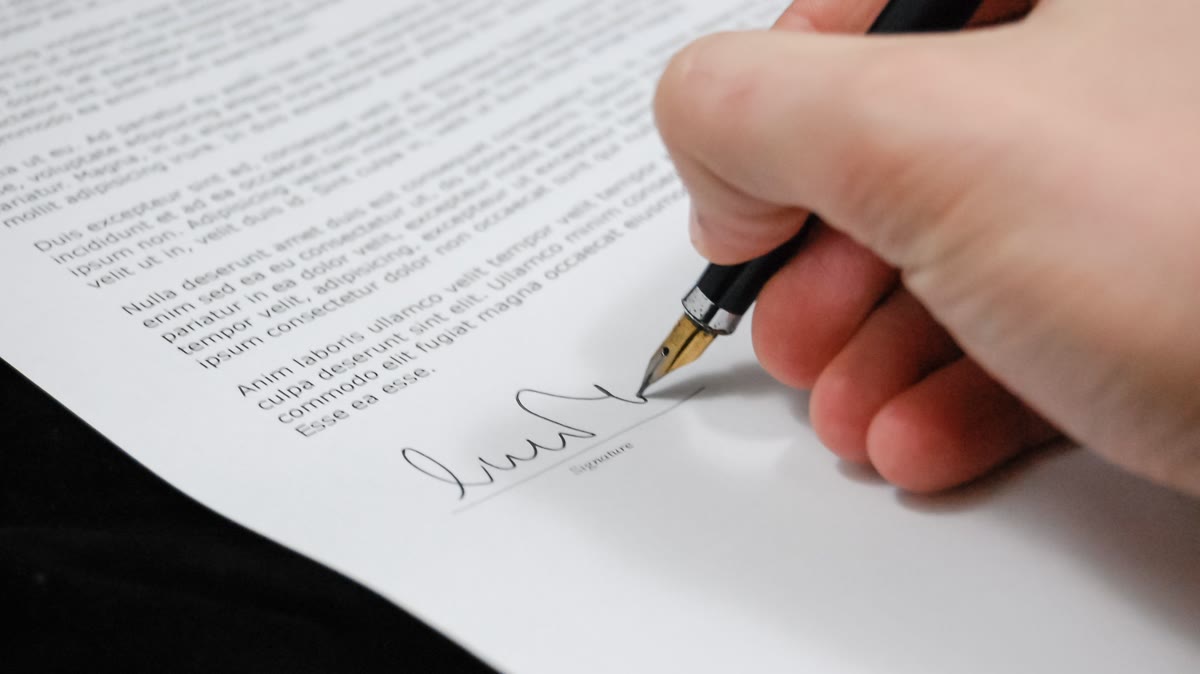
Image credit: Kindel Media, Pexels, free license.

Practical guide
Cancelling a gym membership in Quebec or Ontario: deadlines, fees, what the letter should say, and how to have Capycom mail it.

Practical guide
Refund request letter for Canada: evidence to gather, what to write and where to turn if the store refuses. Mail it with Capycom, no stamps needed.
Practical guide
What goes in a demand letter, what deadline to give and how to mail it in Canada. A free template on Capycom, filled in with three questions.