Practical guide
How to Cancel a Gym Membership in Canada: Letter and Deadlines in Quebec and Ontario
Cancelling a gym membership in Quebec or Ontario: deadlines, fees, what the letter should say, and how to have Capycom mail it.
 Capycom
Since June 2026, the CRTC has banned several cancellation and plan-change fees for wireless or internet plans. How to write the letter and mail it with Capycom.

On March 12, 2026, the Canadian Radio-television and Telecommunications Commission (CRTC) adopted a new regulatory policy. The new rules took effect on June 12, 2026, inside both the Wireless Code and the Internet Code. They build on an amendment to the Telecommunications Act that came into force on October 30, 2025. Before that date, a provider could charge a fee every time a customer switched plans, even without changing devices or phone numbers, which discouraged people from comparing offers or negotiating a better price once a contract was signed.
Two kinds of fees disappear for anyone who switches plans or cancels a contract tied to no subsidized device.
Two exceptions still apply: a reasonable fee for a physical installation at the customer's home, and a fee for an optional product or service the customer specifically chose to buy. If a device was subsidized or financed by the provider, cancellation fees tied to that subsidy can still apply, a point the CRTC says remains separately regulated and will be reviewed in a future proceeding on harmonizing the codes, including device leasing plans still under discussion.
The rule covers individuals and small businesses buying wireless service from any provider, as well as residential internet customers covered by the Internet Code. If a provider refuses to apply these rules, a complaint can be filed with the Commission for Complaints for Telecom-television Services (CCTS), which will track enforcement during the transition period. The CRTC notes that some providers may still be waiving these fees manually at the point of sale while their systems catch up with the new rules.
Even when no fee is owed, cancelling in writing keeps a record of the date and the exact request made to the provider.
Keeping a copy of this letter and the provider's reply makes any later complaint to the CCTS easier if a now banned fee still shows up on a bill.
Capycom offers a free cancellation letter template to download. The template fills in online with the provider's name, the account number and the end date, then Capycom prints the letter, seals it in an envelope and mails it anywhere in Canada, no printer and no post office visit needed. The site shows the letter's status, from printing to mailing, with photo proof, and the price is shown before payment, before tax, on capycom.ca.
Worth knowing: the new rule does not remove every fee. A device still being subsidized or financed by the provider can still trigger a cancellation fee, calculated on its remaining value.
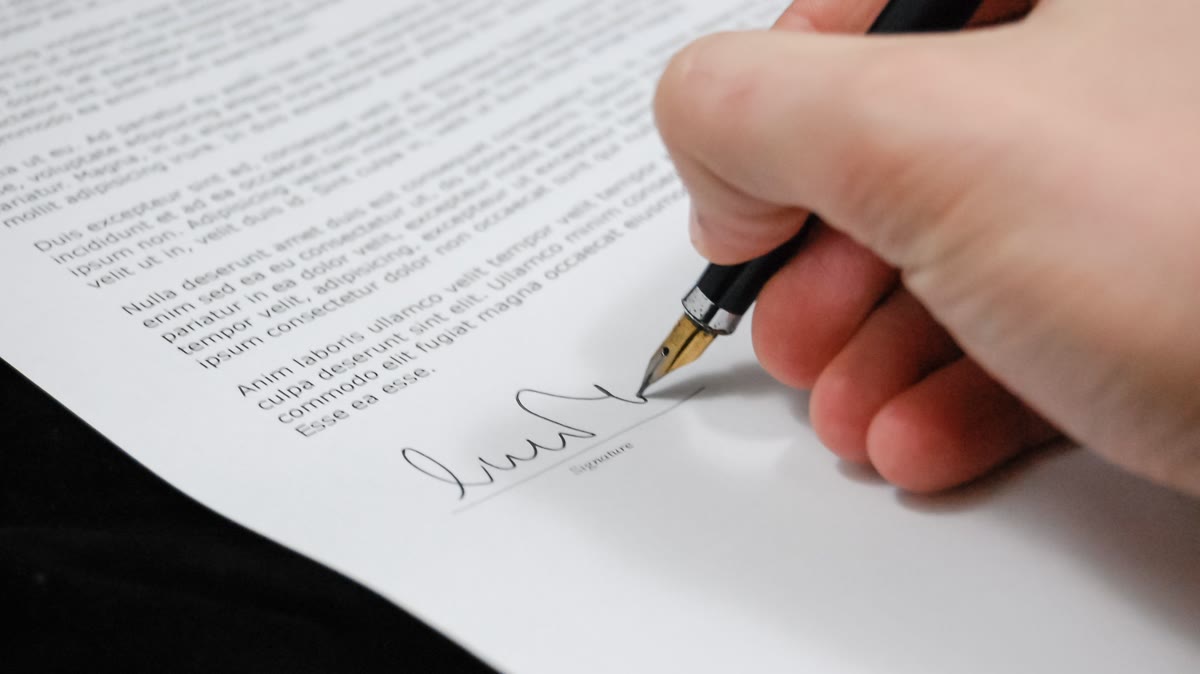
Photo: Brett Sayles, Pexels, free license.

Practical guide
Cancelling a gym membership in Quebec or Ontario: deadlines, fees, what the letter should say, and how to have Capycom mail it.

Practical guide
Refund request letter for Canada: evidence to gather, what to write and where to turn if the store refuses. Mail it with Capycom, no stamps needed.
Practical guide
What goes in a demand letter, what deadline to give and how to mail it in Canada. A free template on Capycom, filled in with three questions.