Practical guide
How to Cancel a Gym Membership in Canada: Letter and Deadlines in Quebec and Ontario
Cancelling a gym membership in Quebec or Ontario: deadlines, fees, what the letter should say, and how to have Capycom mail it.
 Capycom
An account you never opened, a wrong date of birth: how to gather proof and write to Canada's two credit bureaus to get your file corrected.
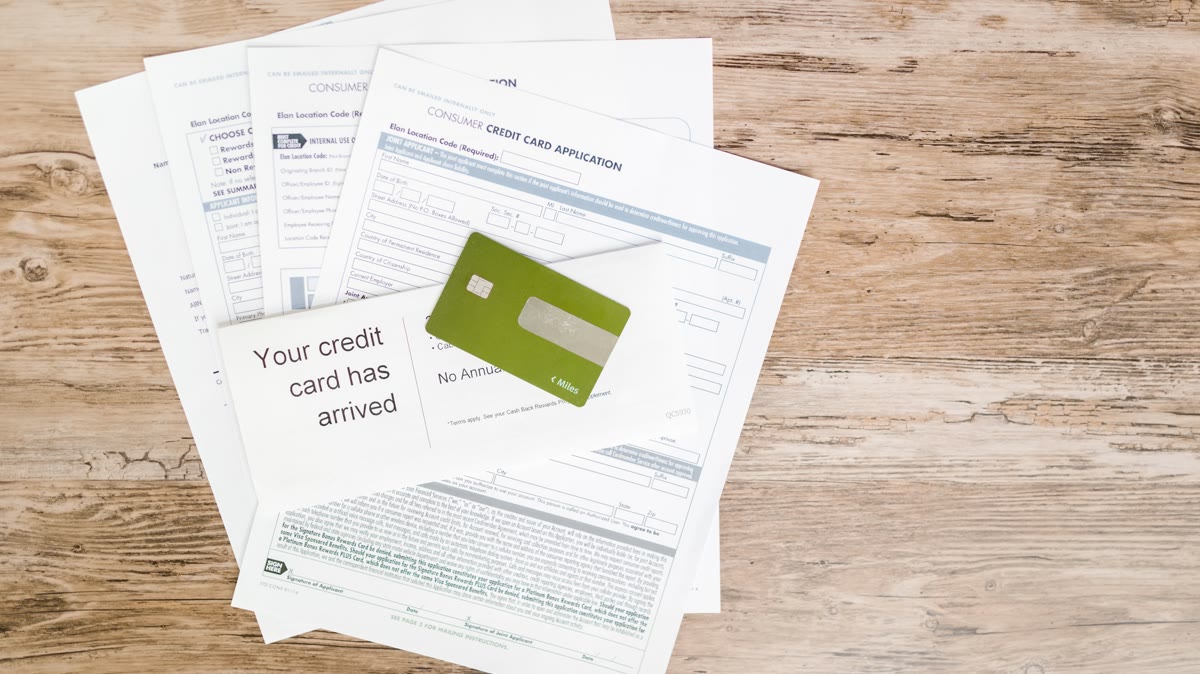
A wrong date of birth, a closed account still showing as open, a loan that was never taken out: these are three kinds of mistakes that Equifax and TransUnion, the two credit bureaus operating in Canada, are required to fix. The correction costs nothing, and Canadians have the right to dispute information they believe is inaccurate, according to the Financial Consumer Agency of Canada.
The first step is to request a copy of the credit file from both bureaus and read it closely. Four things worth checking:
Before writing, gather receipts, statements or any document proving the error. Each bureau checks a dispute with the lender or the source company: if the error is confirmed, the file is corrected, and if the source confirms the information instead, it stays as is.
Equifax Canada asks for a completed Consumer Credit Report Update Form, mailed to Equifax Canada Co., Consumer Relations Department, Box 190, Jean Talon Station, Montreal, Quebec H1S 2Z2. Equifax first compares the submitted information against its file, then contacts the source if the issue remains unresolved. If the file is changed, Equifax sends an updated report, and on request, sends one to lenders who accessed the file in the previous sixty days.
TransUnion asks for its investigation form, filled out with full name, current address (and the previous one if the current address is less than two years old), date of birth, the name of the company being disputed and the reason for the dispute. The mailing address for English speakers outside Quebec is TransUnion Consumer Relations Department, P.O. Box 338, LCD1, Hamilton, Ontario L8L 7W2. TransUnion recommends not applying for new credit while a dispute is still open, since the outcome of that application could be judged on the disputed information.
Worth knowing: each bureau allows a free consumer statement to be added to the file. At TransUnion, it is capped at 100 words, or 200 words in Saskatchewan. At Equifax, the limit is 400 words. Anyone who views the file can read it.
When the outcome is unsatisfactory, two steps come before a consumer statement: contacting the lender directly so it passes updated information to the bureaus, then asking to speak with someone at a higher level at the credit bureau itself. Credit bureaus are not regulated by the federal government, so a formal complaint goes to the provincial or territorial consumer protection office instead. For writing this kind of letter without a printer or a trip to the post office, Capycom handles it: the text gets written online, printed and mailed as a simple letter.
Image credit: RDNE Stock project, Pexels.

Practical guide
Cancelling a gym membership in Quebec or Ontario: deadlines, fees, what the letter should say, and how to have Capycom mail it.

Practical guide
Refund request letter for Canada: evidence to gather, what to write and where to turn if the store refuses. Mail it with Capycom, no stamps needed.
Practical guide
What goes in a demand letter, what deadline to give and how to mail it in Canada. A free template on Capycom, filled in with three questions.