Practical guide
How to Cancel a Gym Membership in Canada: Letter and Deadlines in Quebec and Ontario
Cancelling a gym membership in Quebec or Ontario: deadlines, fees, what the letter should say, and how to have Capycom mail it.
 Capycom
What a cancellation letter has to contain, and the tone that keeps it from bouncing back.

A gym membership that renews on its own, an insurance policy coming up on its anniversary date. In cases like these the contract calls for written notice, and it usually spells out what that notice has to look like. Read that clause before anything else. It tells you the notice period and the address to write to. And that address is not always the customer service one.
The rest is a writing job. A cancellation letter does not need to be long. It needs to be exact.
If you also want a refund or a stop on automatic payments, put that in its own paragraph. Two requests folded into one sentence tend to come back with only one of them dealt with.
Keep it flat. You owe nobody an explanation, and offering one sometimes opens the door to a counter-offer you never asked for. If the service was bad, say so in a sentence rather than in three paragraphs. The person opening the envelope handles dozens of files a day and is looking for two things: your contract number and the date.
Read it out loud before you send it. The sentences you stumble over out loud are the ones that get misread on paper.
Worth knowing: keep a copy of your letter before you send it. Capycom encrypts your documents and deletes them once the mail goes out, so the record of what you wrote and when it went stays on your side.
This describes common drafting practice, not legal advice. For a complicated contract or a dispute already under way, speak to a professional.
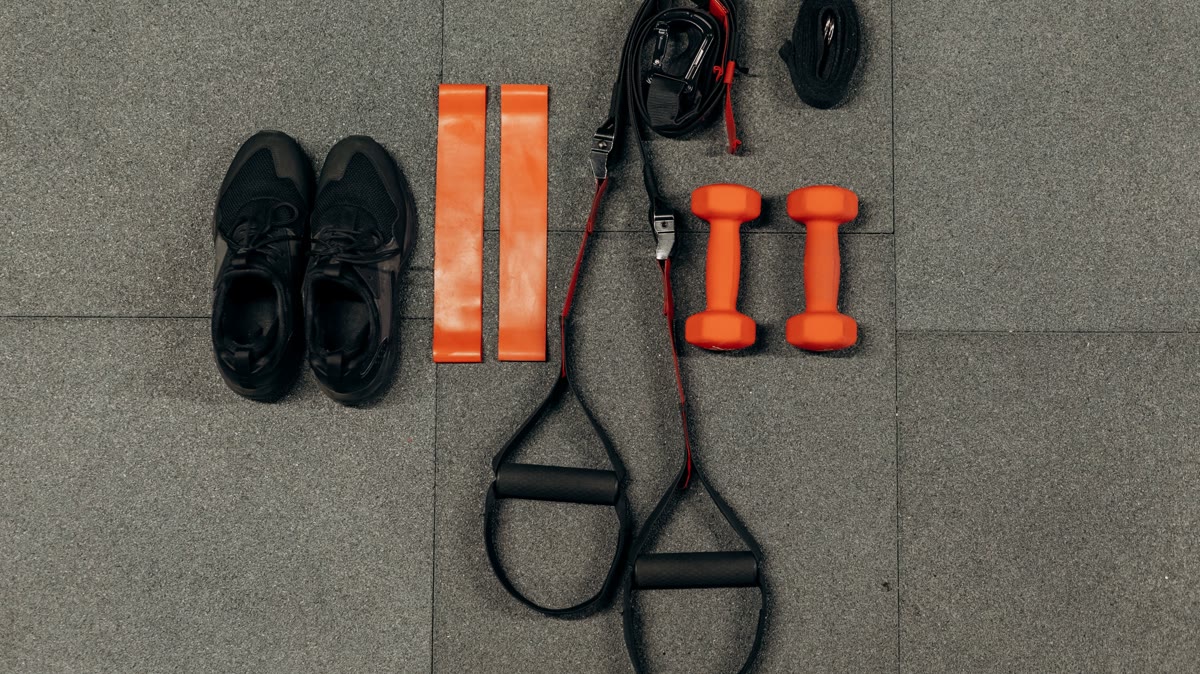
Practical guide
Cancelling a gym membership in Quebec or Ontario: deadlines, fees, what the letter should say, and how to have Capycom mail it.

Practical guide
Refund request letter for Canada: evidence to gather, what to write and where to turn if the store refuses. Mail it with Capycom, no stamps needed.
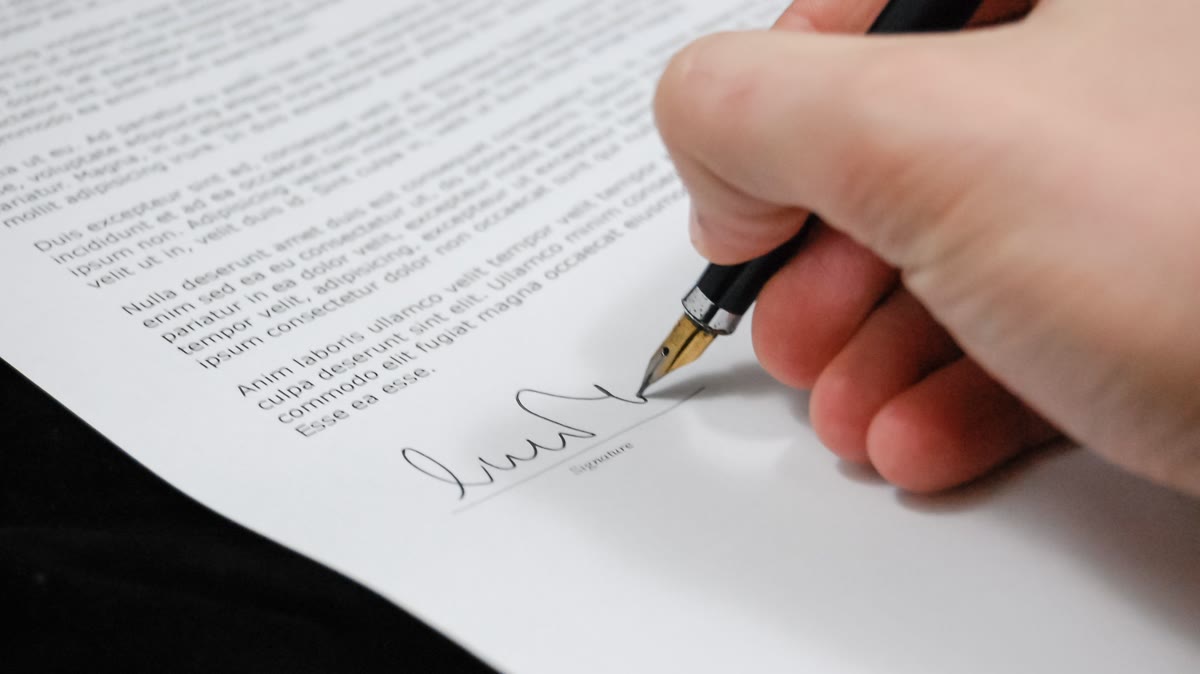
Practical guide
What goes in a demand letter, what deadline to give and how to mail it in Canada. A free template on Capycom, filled in with three questions.