Practical guide
How to Cancel a Gym Membership in Canada: Letter and Deadlines in Quebec and Ontario
Cancelling a gym membership in Quebec or Ontario: deadlines, fees, what the letter should say, and how to have Capycom mail it.
 Capycom
Before a formal notice, a simple complaint letter to the business can be enough. What it needs to say, and how to send it.

A botched repair, an order that never arrived, a contract not honoured. Before filing a formal complaint or heading to court, Quebec's Office de la protection du consommateur points to one first step: put it in writing to the business. That letter is not a formality, it often decides how the rest of the case goes.
On its page about resolving consumer problems, the Office states that direct negotiation with the merchant always comes before an official complaint or a small claims filing. Steps to Justice, a legal information site for Ontario, frames that first letter the same way: it creates a record of the attempt to resolve things directly, something that matters if the file moves further.
CliquezJustice.ca lists the details a complaint letter to a merchant should include. None of it is complicated, but each point matters if the letter has to serve as proof later on.
Steps to Justice is blunt about the one thing that matters most: clearly tell the business what you want them to do to fix the problem. A letter that spends three paragraphs on frustration and never states a request goes nowhere. A short, direct line, a refund, a repair, an exchange, does more work than a page of grievance. The site also recommends attaching copies of receipts and related documents, never the originals, to keep a full record at home.
Worth knowing: Steps to Justice treats three weeks as a reasonable deadline to give a business for a reply.
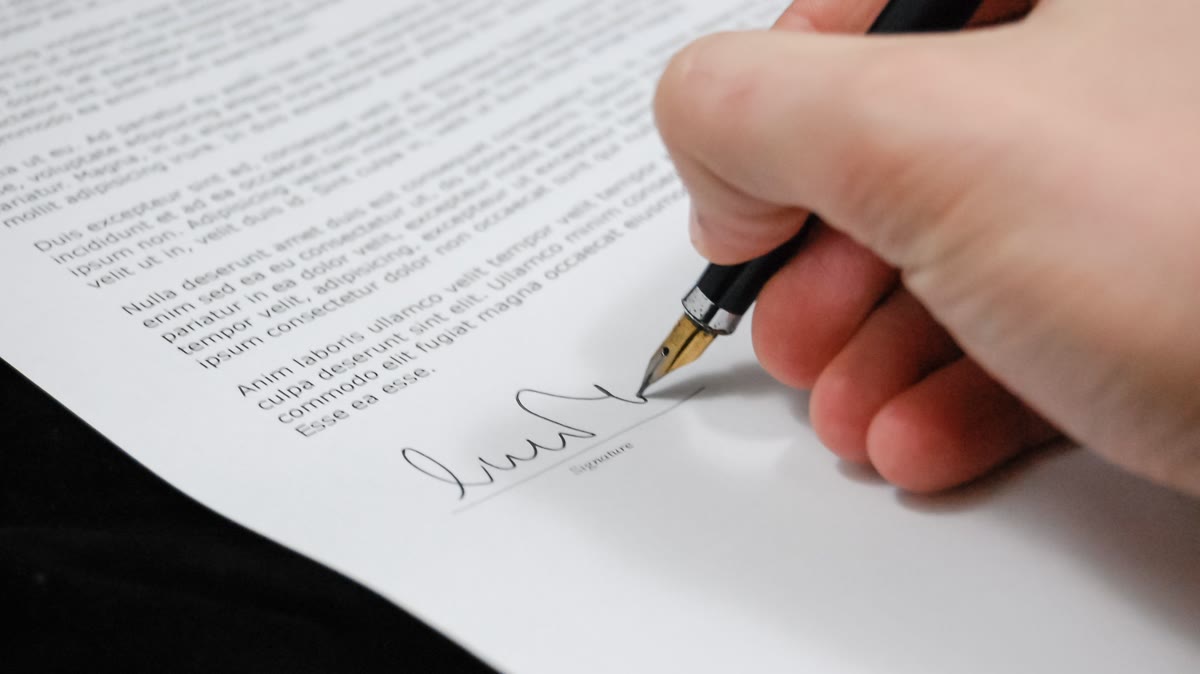
Sign the letter, date it, keep a copy. Capycom was built for exactly this kind of task: the service prints a simple letter and mails it without anyone having to leave home, with a clear date of dispatch. For a step that needs to be provable later, that detail matters, especially when a case drags on for weeks and every stage has to stay dated.
If the merchant stays silent or refuses to fix the problem, Quebec's Office de la protection du consommateur notes that an officer may ask for supporting documents: a written assessment, an invoice, a contract, or warranty terms. The officer first checks whether the complaint falls under the Office's jurisdiction, then enters it in the merchant's file, which helps the Office track problem businesses and sectors over time. CliquezJustice.ca adds that in Quebec, the next steps run through a complaint to the Office, then, for smaller amounts, the small claims division.
A well built letter, sent early, sometimes avoids those later steps entirely. That is the real reason to get the first version right instead of firing off a message written in frustration.
Photo credit: Andrea Piacquadio, Pexels license.

Practical guide
Cancelling a gym membership in Quebec or Ontario: deadlines, fees, what the letter should say, and how to have Capycom mail it.

Practical guide
Refund request letter for Canada: evidence to gather, what to write and where to turn if the store refuses. Mail it with Capycom, no stamps needed.
Practical guide
What goes in a demand letter, what deadline to give and how to mail it in Canada. A free template on Capycom, filled in with three questions.