Practical guide
How to Cancel a Gym Membership in Canada: Letter and Deadlines in Quebec and Ontario
Cancelling a gym membership in Quebec or Ontario: deadlines, fees, what the letter should say, and how to have Capycom mail it.
 Capycom
In Quebec, a lease modification notice leaves one month to answer, and silence counts as acceptance. What the letter has to say, what follows, and what changes in Ontario and British Columbia.
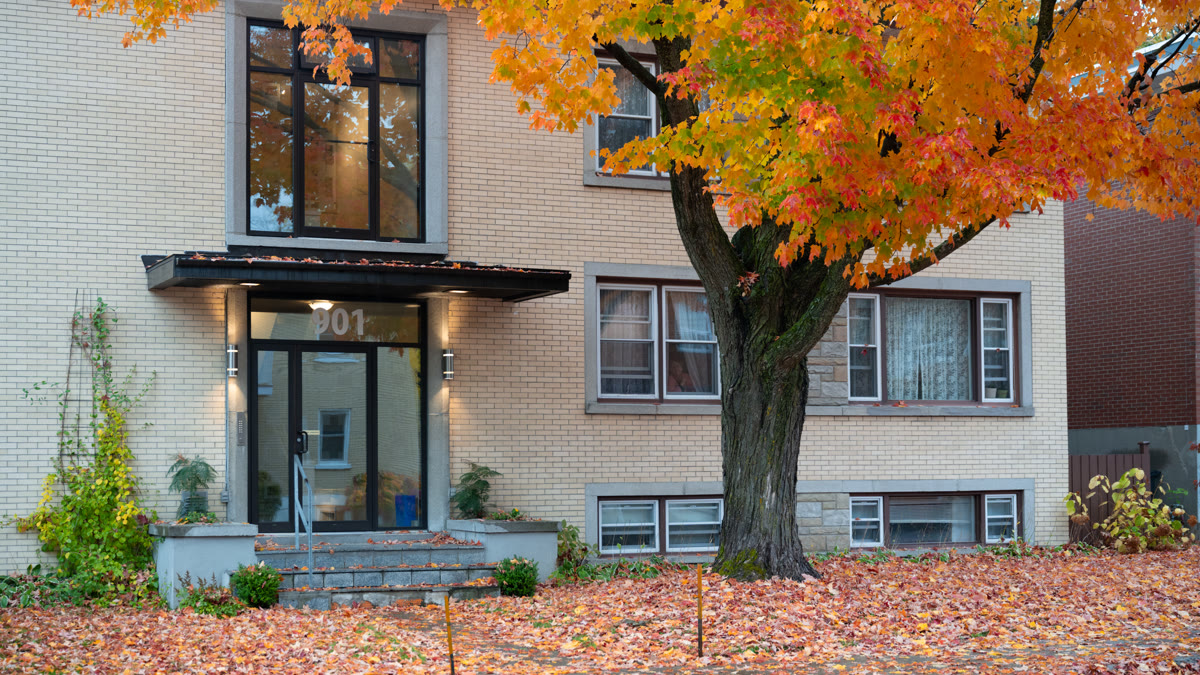
A twelve-month Quebec lease ending on June 30 obliges the landlord to send the lease modification notice between January 1 and March 31. Three to six months before the lease ends, no later. What happens next comes down to one thing, the tenant's answer and the date it goes out.
The Tribunal administratif du logement sets the window at one month from the day the notice is received. Sending nothing during that month renews the lease with the increase attached. Silence is an acceptance, not a hold.
The notice periods on the landlord's side depend on the lease.
A tenant has three possible positions: accept the change, refuse it while renewing the lease on the current terms, or leave at the end of the lease. The refusal fits in one sentence and needs no justification. The Tribunal publishes a response template, the Response of the Tenant to Notice of Rent Increase and Modification of Another Condition of the Lease, and it runs to a single page.
Three things matter more than the wording: the address of the unit, a clear statement of the refusal, and the date. The Tribunal asks for a delivery method that produces valid proof of receipt, hand delivery against a signed acknowledgement being one of them.
The landlord then has one month from receiving the refusal to ask the Tribunal to set the rent. Let that month pass and the lease renews at the current rent. The landlord may also propose a different amount, which both sides remain free to accept.
While the application is pending, the rent stays where it is. If the decision lands after the renewal date, the retroactive adjustment can be spread over instalments, which the Tribunal has the power to allow.
In Ontario, the 2026 guideline is 2.1 per cent. Written notice runs at least 90 days, on the form prescribed by the Landlord and Tenant Board, and twelve months must have passed since the last increase or since the tenancy began.
In British Columbia, the 2026 limit is 2.3 per cent, notice is three full months, on form RTB-7, and only one increase is allowed per twelve-month period. In both provinces the tenant has no letter to send back: the control sits on the percentage and on the calendar.
An answer to a landlord runs a few lines, but it still has to be printed and carried to the mail. Capycom handles those two steps from an online form: you write the text, the service prints it, puts it in an envelope and drops it in the mail. The same route works for a notice to a landlord, a letter to an employer or a document for a government office.
Worth knowing: refusing an increase does not end the lease. A tenant who refuses stays in the unit, on the current terms, until the Tribunal rules.
Photo: Wilfredor, CC0, via Wikimedia Commons.

Practical guide
Cancelling a gym membership in Quebec or Ontario: deadlines, fees, what the letter should say, and how to have Capycom mail it.

Practical guide
Refund request letter for Canada: evidence to gather, what to write and where to turn if the store refuses. Mail it with Capycom, no stamps needed.
Practical guide
What goes in a demand letter, what deadline to give and how to mail it in Canada. A free template on Capycom, filled in with three questions.