Practical guide
How to Cancel a Gym Membership in Canada: Letter and Deadlines in Quebec and Ontario
Cancelling a gym membership in Quebec or Ontario: deadlines, fees, what the letter should say, and how to have Capycom mail it.
 Capycom
A letter to a federal Member of Parliament can be mailed without postage, from anywhere in Canada to anywhere in Canada. Here is the official address, what Canada Post says and how to send it.
In short
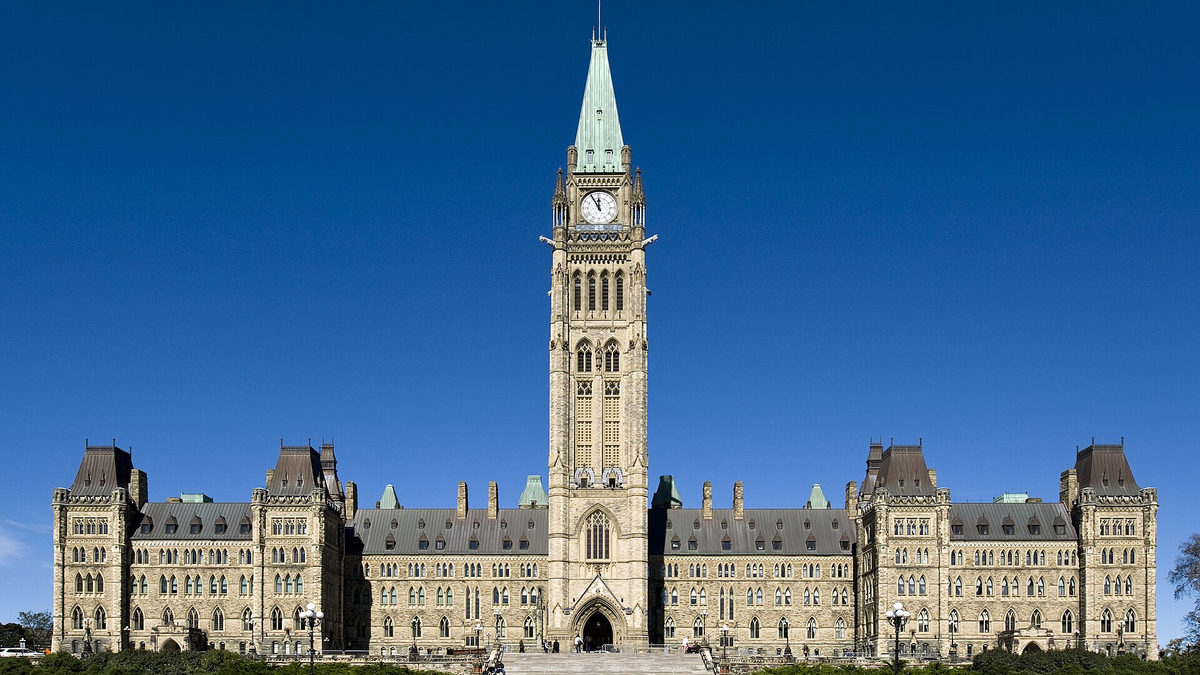
According to the House of Commons, mail to a Member of Parliament may be sent postage-free to this address: name of the MP, House of Commons, Ottawa, Ontario, Canada, K1A 0A6. Canada Post specifies that the mail is free if the sender and the recipient are both in Canada. You can therefore mail the letter yourself without a stamp. Capycom saves you the printing and the trip, but its service is not free.
You want to write to your federal MP: to share an opinion, report a problem with a federal service, or ask for help. Good news: postage is free for this mail. Here is what the House of Commons and Canada Post say.
The House of Commons states that mail may be sent postage-free to any Member of Parliament, at this address:
Name of the MP
House of Commons
Ottawa, Ontario
Canada
K1A 0A6
You can find the MP’s name on the members page of the House of Commons website.
Canada Post explains that mail addressed to certain people, including MPs and senators, is sent without postage. Its condition is clear: “The mail is sent for free if both the sender and receiver are in Canada.” The page mentions no size or weight limit, and it shows no update date.
Canada Post’s list also includes the Governor General, the Speakers of the Senate and the House of Commons, the Parliamentary Librarian, the Parliamentary Budget Officer, the Conflict of Interest and Ethics Commissioner, and the Director of the Parliamentary Protective Service.
Keep it simple. One page is often enough.
Capycom offers a template letter to a federal MP, to adapt to your situation.
Since postage is free, you can print the letter, put it in an envelope, write the address above and drop it in a mailbox, with no stamp. If that suits you, it is the cheapest option.
If you have no printer or do not want to make the trip, Capycom can do it. The service is not free: the price covers the work of printing, putting the letter in an envelope and dropping it at the post office, and the free postage described above does not apply to it. Here is how it goes.
You can write your letter right now.
Capycom sends simple letters. There is no postal tracking and no registered mail. Delivery times depend on the postal service. Capycom does not give legal advice. Keep a copy of your letter.
We did not check how postal workers handle an unstamped envelope in practice. We also did not test entering the House of Commons address in Capycom’s form, nor read the House’s rules on the content of mail sent to MPs. The cited sources were consulted on November 13, 2026.
No. The House of Commons says mail may be sent postage-free to the official address. Canada Post specifies that the mail is free if the sender and the recipient are both in Canada.
Name of the MP, House of Commons, Ottawa, Ontario, Canada, K1A 0A6. This is the format published by the House of Commons.
Canada Post lists, among others, the Governor General, senators, the Speakers of the Senate and the House of Commons, the Parliamentary Librarian, the Parliamentary Budget Officer, the Conflict of Interest and Ethics Commissioner, and the Director of the Parliamentary Protective Service.
No. Capycom’s price covers printing, putting the letter in an envelope and dropping it at the post office. The free postage described above applies to mail you post yourself.
No. Capycom sends simple letters, without postal tracking or registered mail. Keep a copy of your letter.
Practical guide
Cancelling a gym membership in Quebec or Ontario: deadlines, fees, what the letter should say, and how to have Capycom mail it.
Practical guide
Refund request letter for Canada: evidence to gather, what to write and where to turn if the store refuses. Mail it with Capycom, no stamps needed.
Practical guide
What goes in a demand letter, what deadline to give and how to mail it in Canada. A free template on Capycom, filled in with three questions.