News
Love Letters Are Back, Saying What Words Alone Don't Dare
A British survey confirms it: the love letter is trending again. Here's why, and how to send one anywhere in Canada with Capycom.
 Capycom
On June 10, 1763, Hugh Finlay became postmaster in Quebec City and launched the country's first regular mail service, the starting point of Canada's postal network.
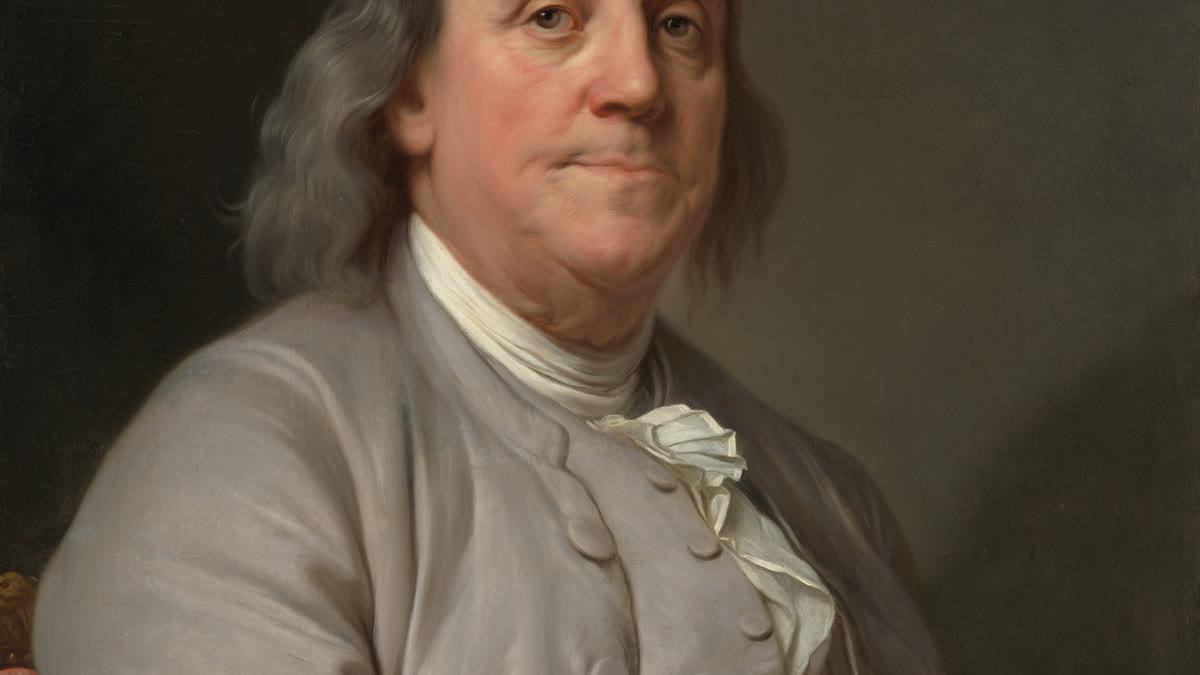
On June 10, 1763, Hugh Finlay, a merchant living in Quebec City, became postmaster of a colony that had just come under British rule. Britain had gained New France through the Treaty of Paris, signed that same year, and the new administrators wanted a service able to link Quebec City, Trois-Rivieres and Montreal, then reach London. Finlay set up a weekly service between the three towns, a new idea for a colony where mail had until then moved on an irregular basis.
Letters had circulated in New France since the early 1600s. The French relied on the network of roads and waterways built for the fur trade. A Portuguese courier named Pedro Da Silva, who delivered royal dispatches across the colony, is regarded as the first recognized mail carrier. Still, the system stayed informal, with no fixed office and no set schedule.
On the British side, Benjamin Franklin had opened the way ten years earlier. In 1753, he was appointed deputy postmaster general for the British colonies and opened a post office in Halifax, meant to link the Atlantic colonies with Britain. Franklin later lost the post, pushed out over his growing role in the revolt against the Crown.
Finlay's new charge did more than create an administrative post. It laid the groundwork for a structured system:
By 1771, the service ran weekly year round, a change that made the system profitable for the first time since it began.
The system Finlay built evolved slowly over the following century. In 1833, the Royal William, a steamer built in Quebec City, became the first mechanically powered ship to carry mail across the Atlantic. In 1840, Samuel Cunard's Britannia connected Liverpool and Halifax, cutting delivery times further. On July 1, 1867, Confederation merged the colonial postal systems, stretching from Halifax to Fort William on the shore of Lake Superior. An act passed on April 1, 1868 finally created one uniform postal system for the new country.
In 2013, Canada Post issued a stamp marking two hundred fifty years since the service became official, featuring a portrait of Franklin. The network built by Finlay and those who followed him grew, over time, into the infrastructure that lets Capycom send a simple letter anywhere in the country today, without the sender ever touching an envelope or visiting a post office.
Worth knowing: Finlay's appointment did not come out of nowhere. It followed the 1763 Treaty of Paris, which handed New France to Britain and pushed the new administrators to organize reliable mail between the colonies.
Government of Canada, official release on the 250th anniversary stamp
Postage Stamp Guide, entry on the "250 Years of Postal History" stamp
CTV News, article on Benjamin Franklin and the Canadian stamp
Photo credit: portrait of Benjamin Franklin by Joseph-Siffred Duplessis, circa 1785, public domain, via Wikimedia Commons.

News
A British survey confirms it: the love letter is trending again. Here's why, and how to send one anywhere in Canada with Capycom.

News
Pinterest says handwritten letters are making a big comeback in 2026. Why receiving one feels so good, and how to send one to the people you love without leaving home, with Capycom.
News
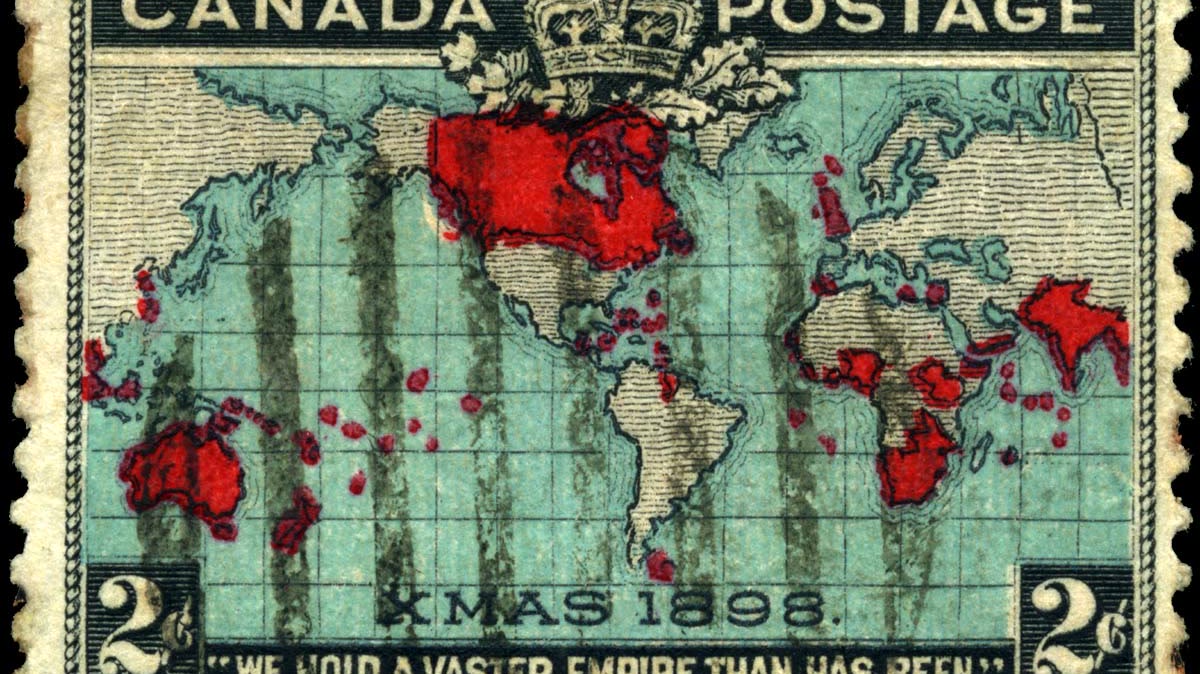
In 1898, Canada Post issued a world map stamp to announce a new imperial postage rate, and ended up creating the Christmas stamp along the way.