News
Love Letters Are Back, Saying What Words Alone Don't Dare
A British survey confirms it: the love letter is trending again. Here's why, and how to send one anywhere in Canada with Capycom.
 Capycom
In 1851, the Province of Canada chose a beaver instead of a royal portrait for its first postage stamp, a choice still unusual in world philately.
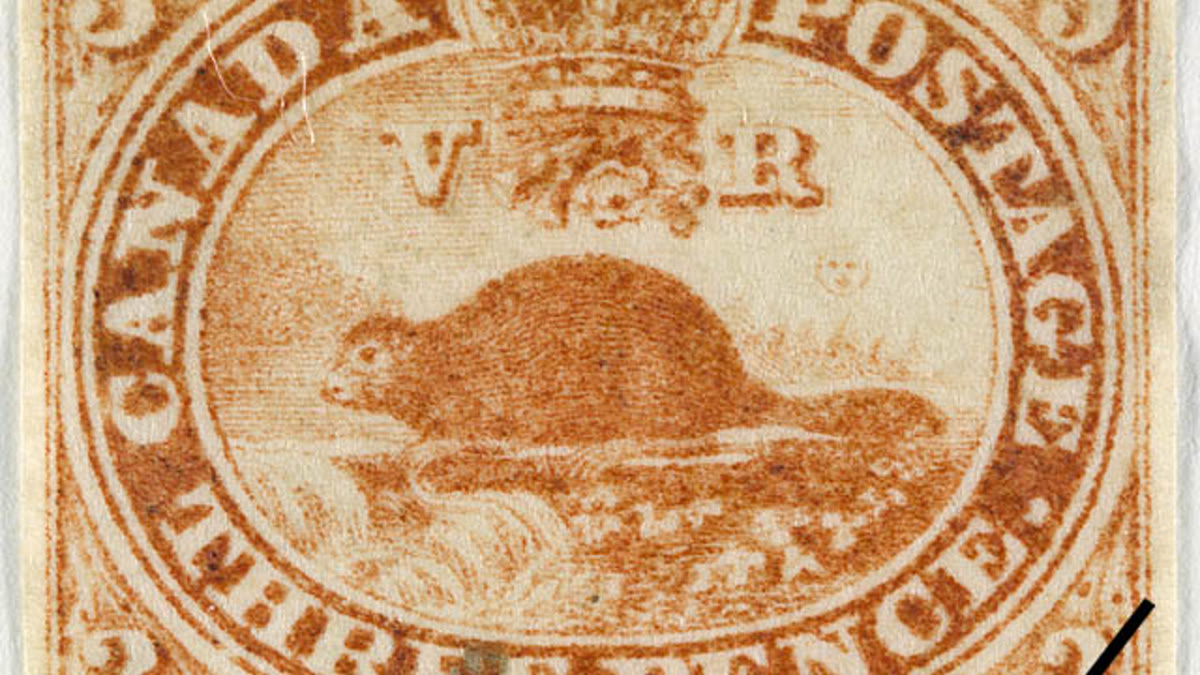
On April 23, 1851, the Province of Canada put its first postage stamp on sale: the three-pence beaver, designed by engineer Sandford Fleming. The Canadian Museum of History counts 250,000 copies issued, under Postmaster General James Morris. The beaver was an unusual choice for the time: the stamp is considered the world's first pictorial stamp, rather than one bearing the sovereign's portrait.
Until 1851, the General Post Office in London ran the mail in the British North American colonies. On April 5, 1851, the post office passed to the Province of Canada, with James Morris as Postmaster General. The story goes back much further: the oldest known letter sent from North America is John Rut's letter to King Henry VIII, sent from St. John's on August 3, 1527. The country's postal history is then usually divided into broad periods: French administration, British administration, the Province of Canada, then Confederation.
The custom at the time was for a stamp to carry the sovereign's portrait. Sandford Fleming nevertheless drew a beaver for the three-pence value. The choice was no accident: the beaver is central to the history of the North American fur trade. The neighbouring colonies of New Brunswick and Nova Scotia also issued their own stamps in 1851.
Fleming also designed two other 1851 stamps, meant for international mail: a six-pence stamp showing Prince Albert and a twelve-pence stamp showing Queen Victoria. The sources we consulted do not agree on their on-sale dates, so we prefer not to give them. What can be said with certainty is that the beaver is the only one of the three to show an animal.
The three-pence beaver came off the presses of the New York printer Rawdon, Wright, Hatch and Edson. A few production details help identify it today:
Good to know: the three-pence beaver is Scott number 1, the very first entry in the catalogue of Canadian stamps.
The pence system lasted only a few years. From 1859, the stamps of the Province of Canada were denominated in cents, as part of the move to a decimal currency, as in the neighbouring United States. The beaver therefore belongs to the very beginning of Canadian stamp history, eight years before Confederation in 1867.
Capycom helps prepare and send mail by post, simple letters only, without going to a post office. More than 170 years after this first stamp, paper and an envelope are still useful for procedures that call for a paper letter. If you want to know what it costs today to put postage on a letter, see our guides on the Permanent stamp and on sending a letter without a stamp.
Photo credit: three-pence beaver stamp, 1851, unknown author, Library and Archives Canada, public domain (Wikimedia Commons).

News
A British survey confirms it: the love letter is trending again. Here's why, and how to send one anywhere in Canada with Capycom.

News
Pinterest says handwritten letters are making a big comeback in 2026. Why receiving one feels so good, and how to send one to the people you love without leaving home, with Capycom.
News
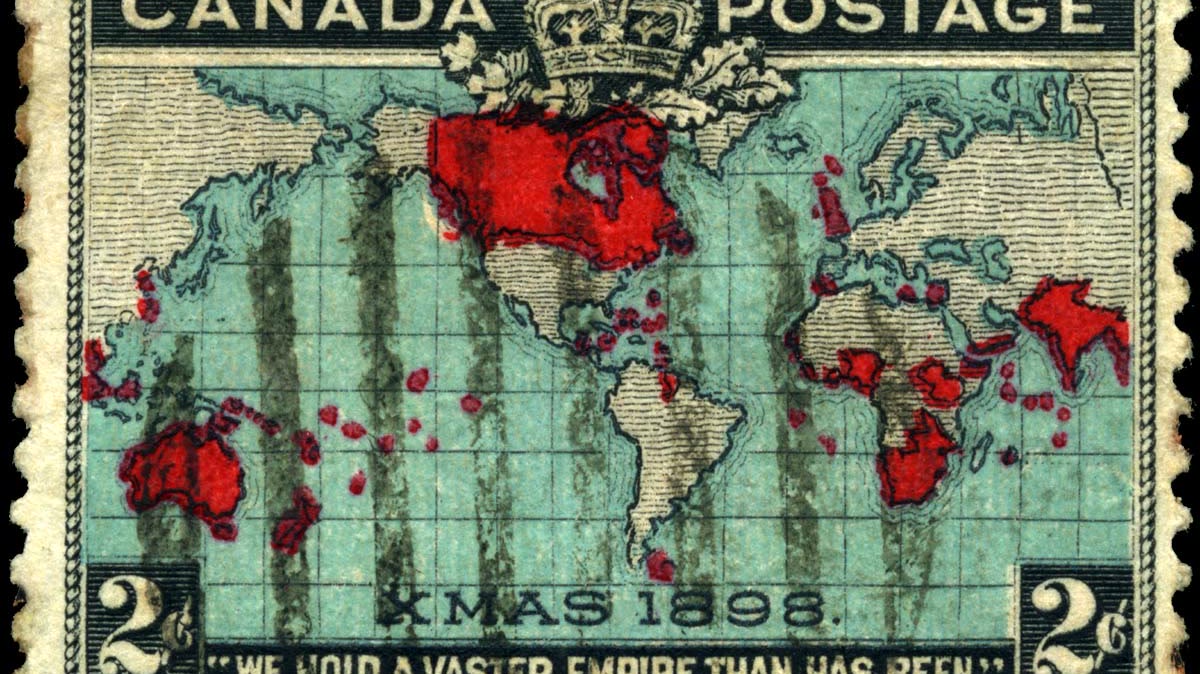
In 1898, Canada Post issued a world map stamp to announce a new imperial postage rate, and ended up creating the Christmas stamp along the way.