News
Love Letters Are Back, Saying What Words Alone Don't Dare
A British survey confirms it: the love letter is trending again. Here's why, and how to send one anywhere in Canada with Capycom.
 Capycom
Six characters, two groups of three, one letter per region. Canada's postal code was tried out in Ottawa on April 1, 1971, after nearly half a century of numbered zones in the big cities.
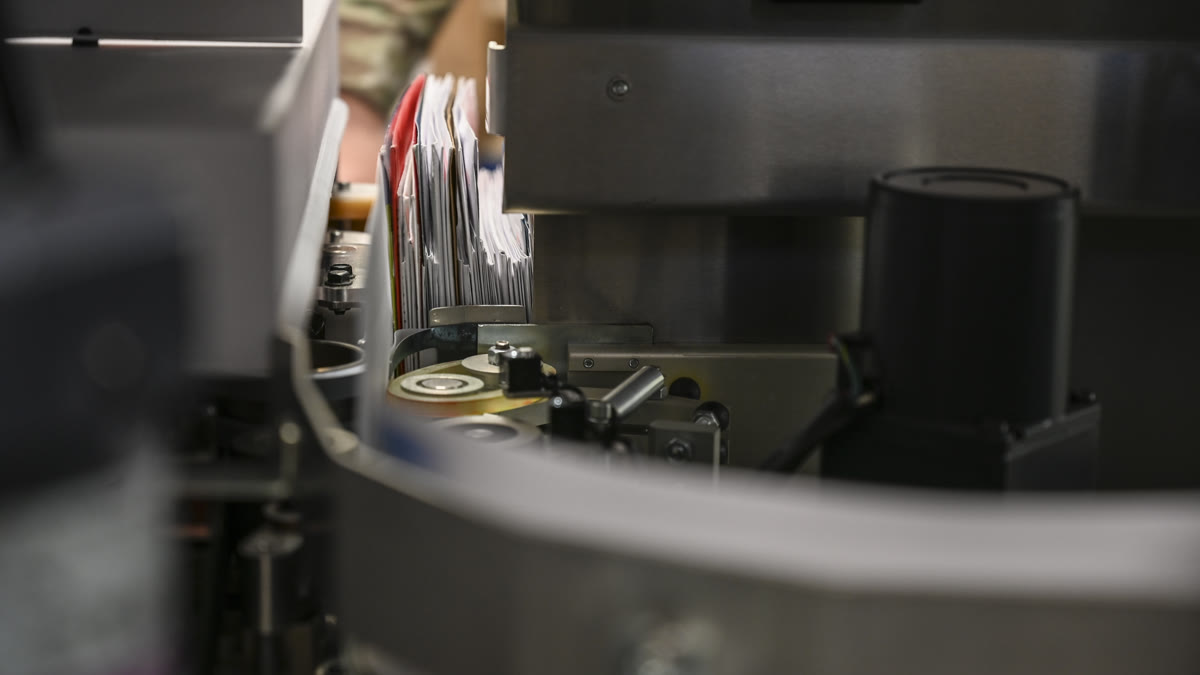
On April 1, 1971, addresses in Ottawa picked up an extra line. Six characters, letters and digits taking turns, tried out in the capital before they spread across the country. The format has not moved since: A1A 1A1.
Canada was carving up its cities long before 1971. According to the history of Canadian postal codes, Toronto brought in numbered postal zones in 1925, and an address ended with something like "Toronto 5, Ontario". Montreal followed in 1944, then Quebec City, Ottawa, Winnipeg and Vancouver by the early 1960s.
Late in that decade the big cities moved to three-digit zones. Toronto's renumbering took effect on May 1, 1969, under the slogan "Your number is up". It did not last. In December 1969, Communications Minister Eric Kierans announced a national six-character code that would replace it. Companies that had just updated their systems at their own expense were left frustrated.
The code was designed with machines in mind. The Canadian Encyclopedia notes that in 1970 the post office picked a proven Belgian coding system and letter-sorting machine, along with Japanese-designed high-speed equipment to face, cancel and optically read envelopes. Installation began in Ottawa in 1972.
The switch came in stages.
Not everyone welcomed it. The Canadian Union of Postal Workers opposed automated sorting and declared March 20, 1975 a national "Boycott the Postal Code" day. The boycott was called off in February 1976, once a new collective agreement was signed.
Canada Post describes a code in the form ANA NAN, where A is a letter and N a digit. The first three characters make up the forward sortation area, which Statistics Canada ties to the postal facility that delivery starts from.
Six letters never show up in a code: D, F, I, O, Q and U.
Worth knowing: a zero in second position means a rural code. A code starting with A0A is not a typo, it covers a rural area of Newfoundland and Labrador.
More than fifty years after the Ottawa trial, the postal code is still the last line of the address. Capycom handles the trip to the mailbox: you write your letter online, the service prints it, puts it in an envelope and drops it in the mail. The recipient's postal code remains the one line worth checking twice before it goes.
Photo: Staff Sgt. Kirby Turbak, U.S. Air Force, public domain, via Wikimedia Commons.

News
A British survey confirms it: the love letter is trending again. Here's why, and how to send one anywhere in Canada with Capycom.

News
Pinterest says handwritten letters are making a big comeback in 2026. Why receiving one feels so good, and how to send one to the people you love without leaving home, with Capycom.
News
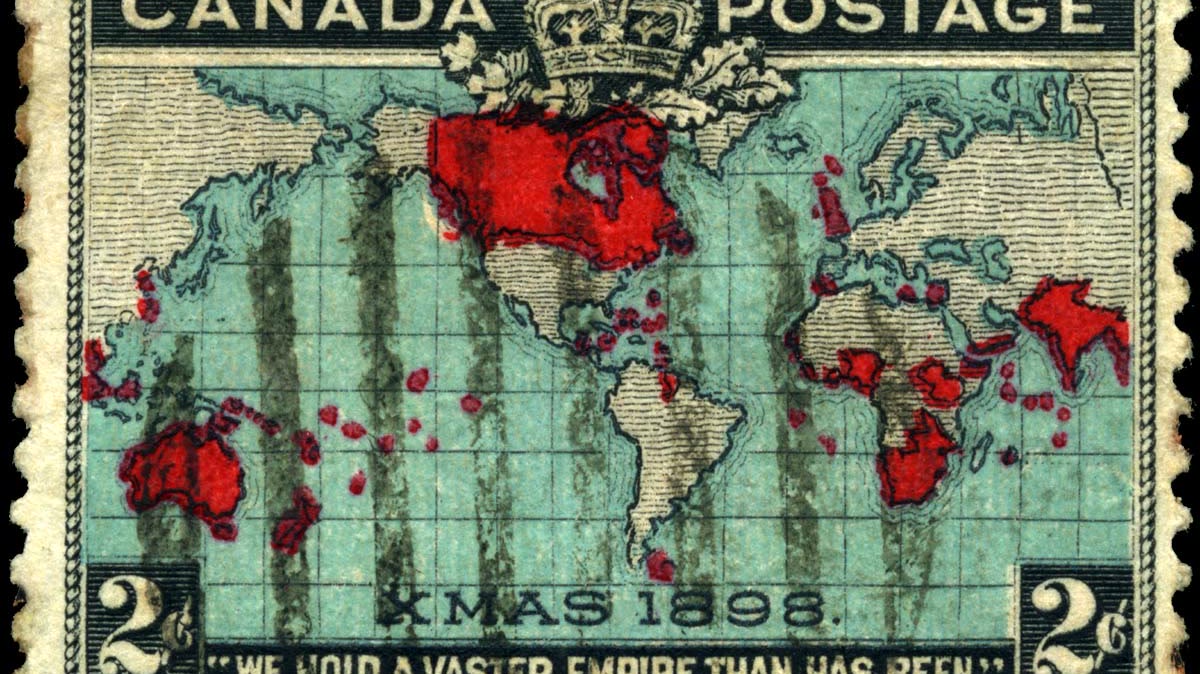
In 1898, Canada Post issued a world map stamp to announce a new imperial postage rate, and ended up creating the Christmas stamp along the way.