News
Love Letters Are Back, Saying What Words Alone Don't Dare
A British survey confirms it: the love letter is trending again. Here's why, and how to send one anywhere in Canada with Capycom.
 Capycom
Cornwall, Regina, Saskatoon and Prince Rupert join the 2027 community mailbox conversion schedule, as Sept-Iles and Winnipeg make the switch starting in October 2026.
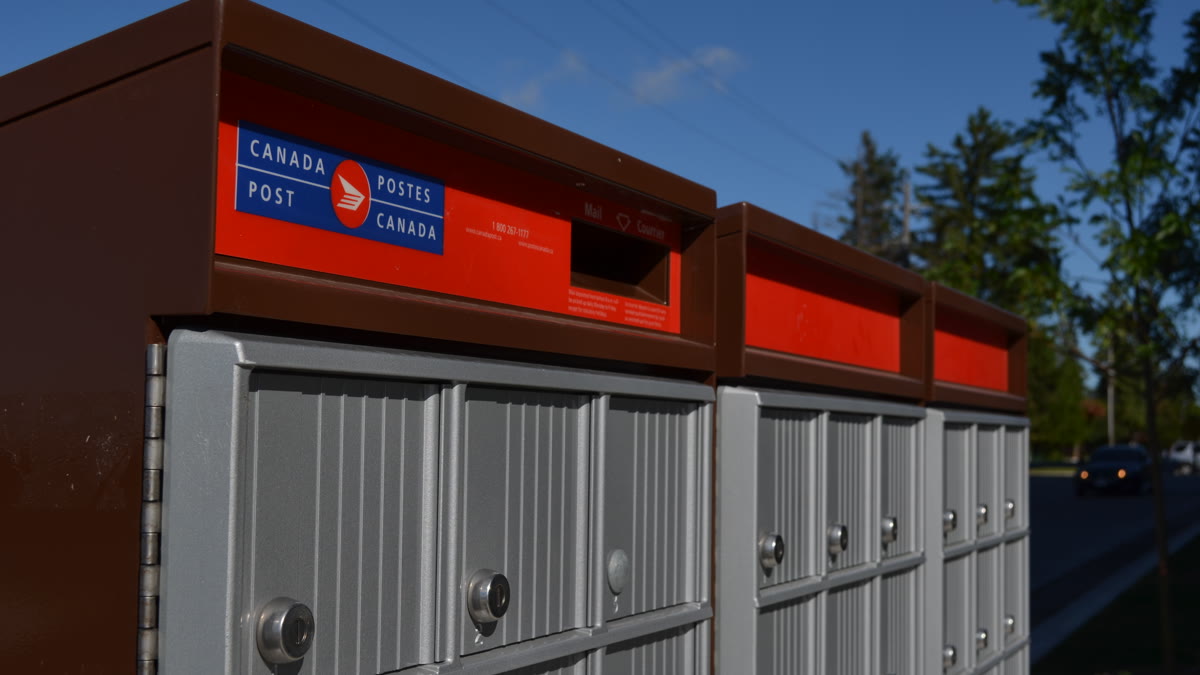
On September 16, 2026, Canada Post announced that five communities were being added to its 2027 schedule for converting door-to-door delivery to community mailboxes. The release gives about 65,000 addresses in total. All figures are approximate: the community figures add up to 66,000, a gap explained by rounding.
Seeing your postal code on this list does not mean the conversion happens tomorrow. It is gradual: different areas are converted each year.
The announcement is part of the plan Canada Post launched on April 16, 2026: in the end, about four million addresses that still get mail at the door will move to centralized delivery. Nearly three quarters of Canadian addresses already receive their mail this way. According to the September 16 release, about 686,000 addresses in 55 communities are to be converted by the end of 2026 or in 2027.
Community mailboxes have key-locked compartments. According to Canada Post, most parcels fit in the box's individual compartment or in a compartment reserved for parcels, where they stay protected until they are picked up. People in the affected areas are notified of the change and kept informed throughout the process, and Canada Post works with municipalities and other local partners to choose where the boxes go.
Good to know: a free Delivery Accommodation Program is available for people with functional limitations. More than 18,000 households benefit from it. Measures include sliding bins, braille elements or a more accessible compartment, and in some cases weekly home delivery, seasonal, temporary or permanent. To apply, go through the Canada Post website.
Nothing changes about the sending itself. Capycom prepares and mails the simple letter on your behalf, then Canada Post delivers it to the recipient's address, community mailbox or door, depending on the delivery method in place at that address. The change only affects how the recipient picks up their mail once the conversion is done in their area.
Canada Post publishes its news releases and pages about its transformation on its website. Residents in the affected areas are to receive a notice before the conversion. For the five communities added on September 16, 2026, the deadline is 2027; we did not find a precise date for each area.
Canada Post news release, September 16, 2026 (French)
Canada Post news release, June 11, 2026 (French)
Canada Post news release, April 16, 2026 (French)
Image: Canada Post Community Mail Boxes, photograph by Raysonho @ Open Grid Scheduler / Grid Engine, public domain (CC0, Wikimedia Commons).

News
A British survey confirms it: the love letter is trending again. Here's why, and how to send one anywhere in Canada with Capycom.

News
Pinterest says handwritten letters are making a big comeback in 2026. Why receiving one feels so good, and how to send one to the people you love without leaving home, with Capycom.
News
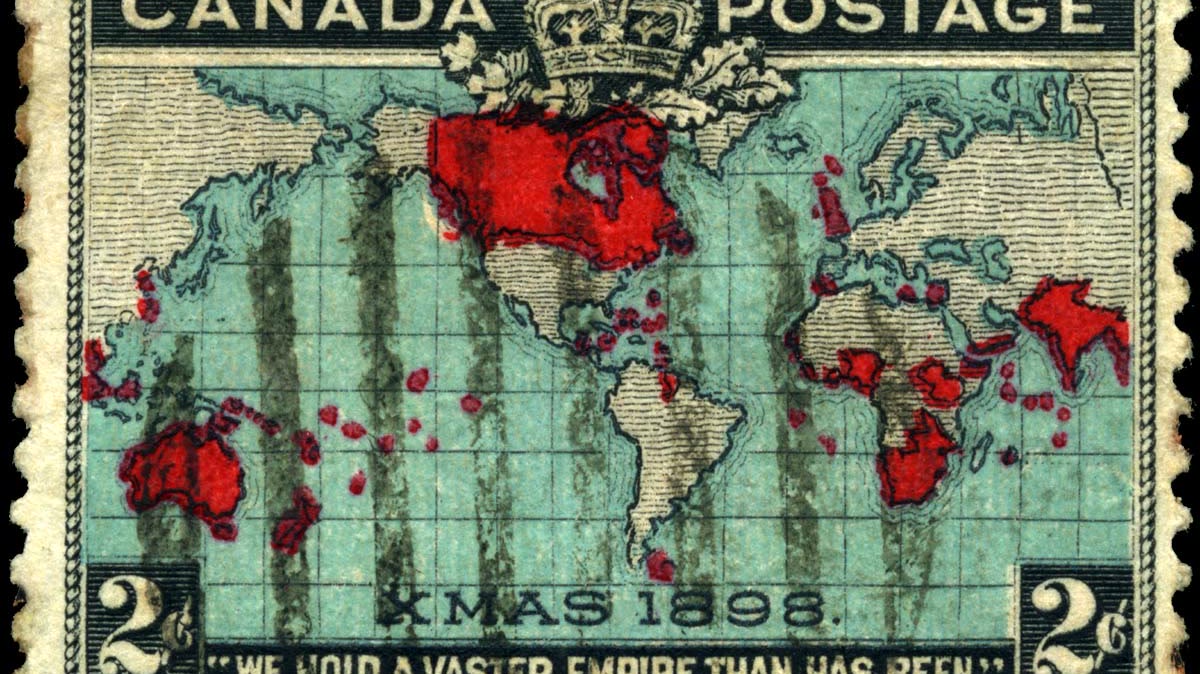
In 1898, Canada Post issued a world map stamp to announce a new imperial postage rate, and ended up creating the Christmas stamp along the way.