News
Love Letters Are Back, Saying What Words Alone Don't Dare
A British survey confirms it: the love letter is trending again. Here's why, and how to send one anywhere in Canada with Capycom.
 Capycom
Every winter, a mailbag left Fort Garry to reach the Hudson's Bay Company's isolated posts, covering up to three thousand miles on snowshoes and by dog sled.
Each December, at Fort Garry, close to what is now Winnipeg, Hudson's Bay Company clerks sorted the year's correspondence and handed it to a dog team. This winter mail, known as the Winter Packet, headed north and west to reach the company's most remote fur trade posts, as far as Fort McPherson in the Mackenzie River district. The full route ran past three thousand miles. The last relay reached La Pierre's House, in the upper Yukon, around mid May, five months after leaving Fort Garry.
Isolated posts heard from the outside world only twice a year.
The winter packet left Fort Garry early in the season, often before the end of January. It did not travel the whole distance with the same team. At Fort Carlton, tired dogs were swapped for fresh ones. At Norway House, both dogs and drivers changed as well. Mail coming in from the interior usually reached Fort Garry around the last week of February. In 1920, marking the company's hundred and fiftieth anniversary, author N. M. W. J. McKenzie still described this relay route, running from Riding Mountain House through Qu'Appelle and Touchwood Hills, on to Carlton and finally the mouth of the Mackenzie.
On January 1, 1819, Lady Selkirk wrote that a winter express was due to leave Montreal on January 10. In January 1834, the packet coming from Sault Ste Marie took forty two days to reach the Red River settlement. The previous winter, in 1818 and 1819, ice on Lake Superior had blocked the express, forcing it to stop at Sault Ste Marie until the route cleared. In the early 1880s, runners Samuel and Robbie Dennison were stranded for three days by a storm along their route, running short of food until the weather cleared.
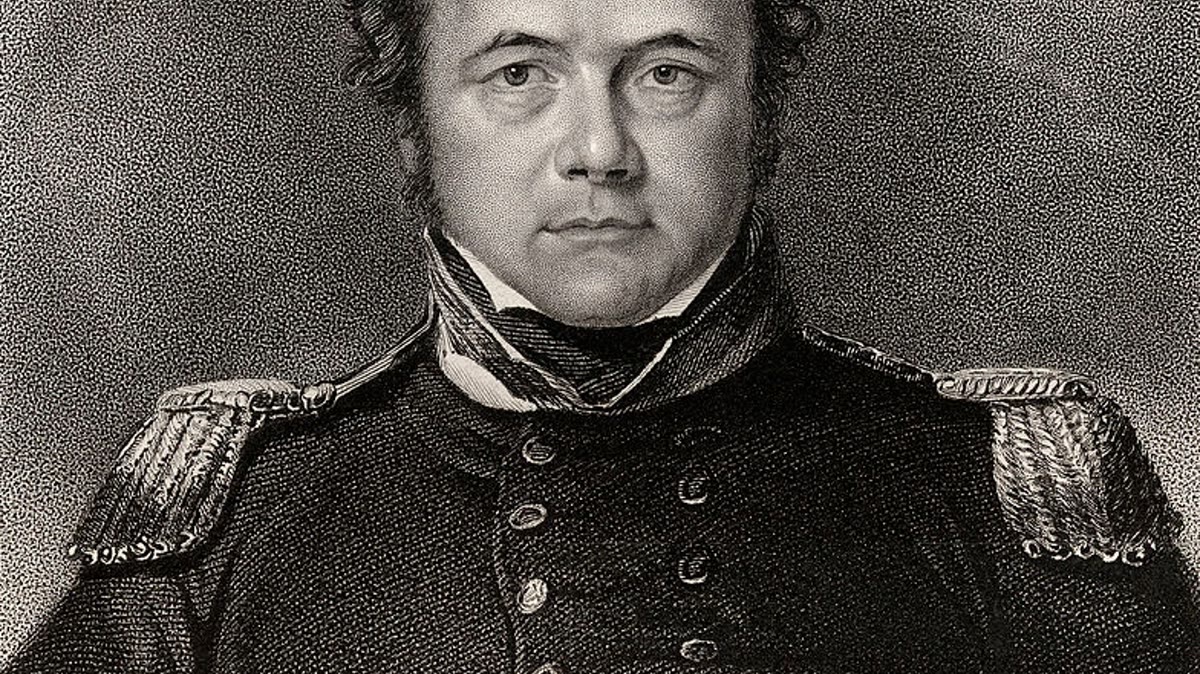
Sir John Franklin, later known for his Arctic expeditions, left Cumberland House on January 18, 1820, with three men, while preparing his journey toward the Coppermine River. His journal describes the snowshoes, fur clothing and snow camps of the winter mail runners. In 1857, geographer Henry Youle Hind told of a sick carrier who still covered close to two hundred eighty miles from Crow Wing, the mailbag on his back, in fifteen days.
Ethnologist Charles Camsell later compared this service to the famous American Pony Express, the horse relay that linked Missouri and California around the same era. He noted one clear difference: the runners of the Canadian north had no outlaws to worry about along their route, only cold, ice and distance.
Worth knowing: no dog team is needed anymore for a letter to reach its destination. Capycom prints and mails a real paper letter in Canada straight from an online form, delivered by Canada Post within days.
Image: engraved portrait of Sir John Franklin by James Thomson after William Derby, before 1845, Library and Archives Canada, Peter Winkworth Collection of Canadiana, public domain.

News
A British survey confirms it: the love letter is trending again. Here's why, and how to send one anywhere in Canada with Capycom.

News
Pinterest says handwritten letters are making a big comeback in 2026. Why receiving one feels so good, and how to send one to the people you love without leaving home, with Capycom.
News
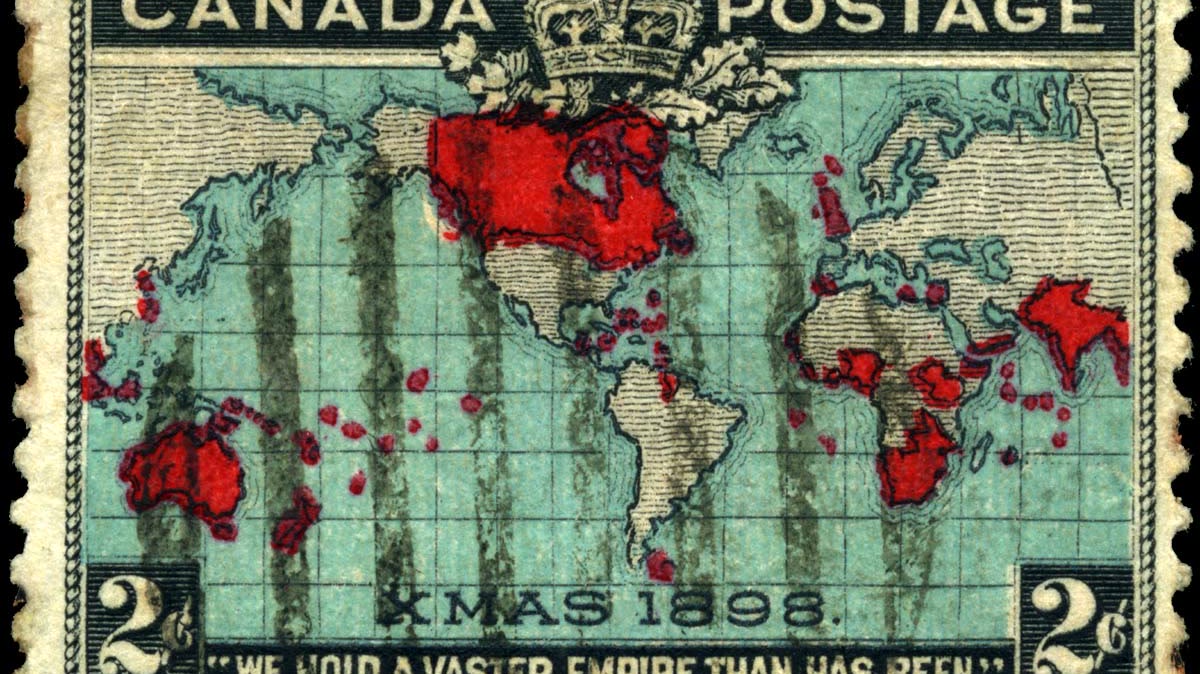
In 1898, Canada Post issued a world map stamp to announce a new imperial postage rate, and ended up creating the Christmas stamp along the way.