News
Love Letters Are Back, Saying What Words Alone Don't Dare
A British survey confirms it: the love letter is trending again. Here's why, and how to send one anywhere in Canada with Capycom.
 Capycom
In 1910, cut off by a broken cable, residents of the Magdalen Islands sent their mail adrift in a barrel, with one letter addressed to Canada's Minister of Posts.
Until the twentieth century, the Magdalen Islands spent every winter cut off from the mainland. Sea ice made any boat crossing impossible between December and spring. In August 1880, the Canadian government laid a submarine telegraph cable between the archipelago and Sydney, on Cape Breton Island. For thirty years, that single wire remained the only way to reach the rest of the country in winter. Today a ferry connects the islands to Prince Edward Island, but nothing like it existed yet in 1910.
On January 6, 1910, the cable failed. The link between the village of Old Harry, on the Magdalen Islands, and Sydney went dead. Islanders were left without a telegraph, without a boat, and without any known way to reach the mainland before the spring thaw.
On February 2, 1910, islanders improvised. They emptied a ponchon, a barrel normally used to store molasses, and rigged it for a solo crossing.
The barrel carried:
They then let the barrel go, trusting it to the currents of the Gulf of Saint Lawrence in the middle of winter, with no idea where or when it would land.
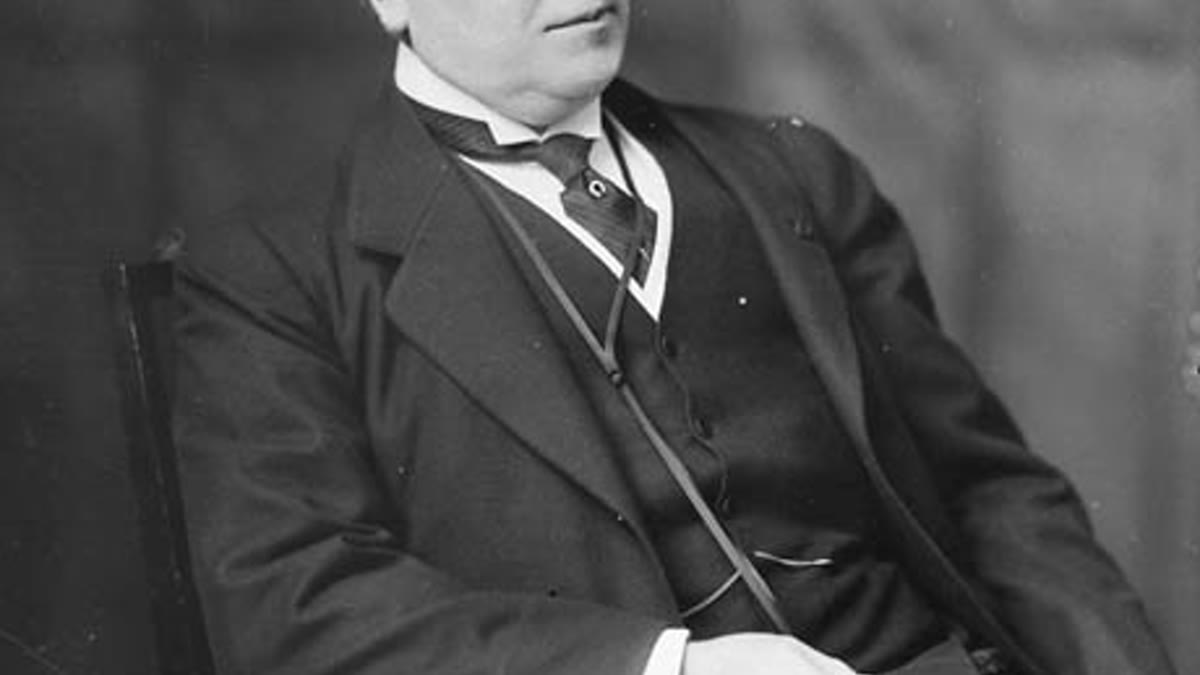
Several letters sealed inside the barrel were addressed to mainland families worried about losing touch with the islands. One letter aimed higher. It was addressed to Rodolphe Lemieux, who was at the time both Canada's Minister of Posts and the federal member for Gaspe, the riding that includes the Magdalen Islands. The islanders had chosen to alert both the man in charge of the federal mail service and their own representative in Ottawa.
The barrel drifted for about twelve days. It reached the Nova Scotia coast around February 14, 1910, after crossing the Gulf of Saint Lawrence in winter with no crew and no engine. The letters were recovered and mailed on, exactly as the islanders had hoped. The barrel arrived two weeks late, but nothing inside was lost. Available sources do not say exactly how many letters it carried, or who found it when it washed ashore.
A year later, in 1911, the Canadian government installed wireless telegraphy on the Magdalen Islands. The ponchon episode was not the only reason, but it showed how fragile an archipelago can be when it depends on a single cable. Islanders then had a second way to reach the mainland, after thirty years with only one.
Worth knowing: in 2011, Canada Post issued a stamp series on unusual historical ways of delivering mail in Canada, including dog sled, boat, and a drifting barrel.
No one needs to improvise a ponchon to send a letter anymore. Capycom lets anyone write a simple letter online, then have it printed and mailed in Canada, with no home printer and no stamp to buy. The service covers simple letters only.
Image: Rodolphe Lemieux, Canada's Minister of Posts, photographed by William James Topley in April 1917. Wikimedia Commons, public domain.

News
A British survey confirms it: the love letter is trending again. Here's why, and how to send one anywhere in Canada with Capycom.

News
Pinterest says handwritten letters are making a big comeback in 2026. Why receiving one feels so good, and how to send one to the people you love without leaving home, with Capycom.
News
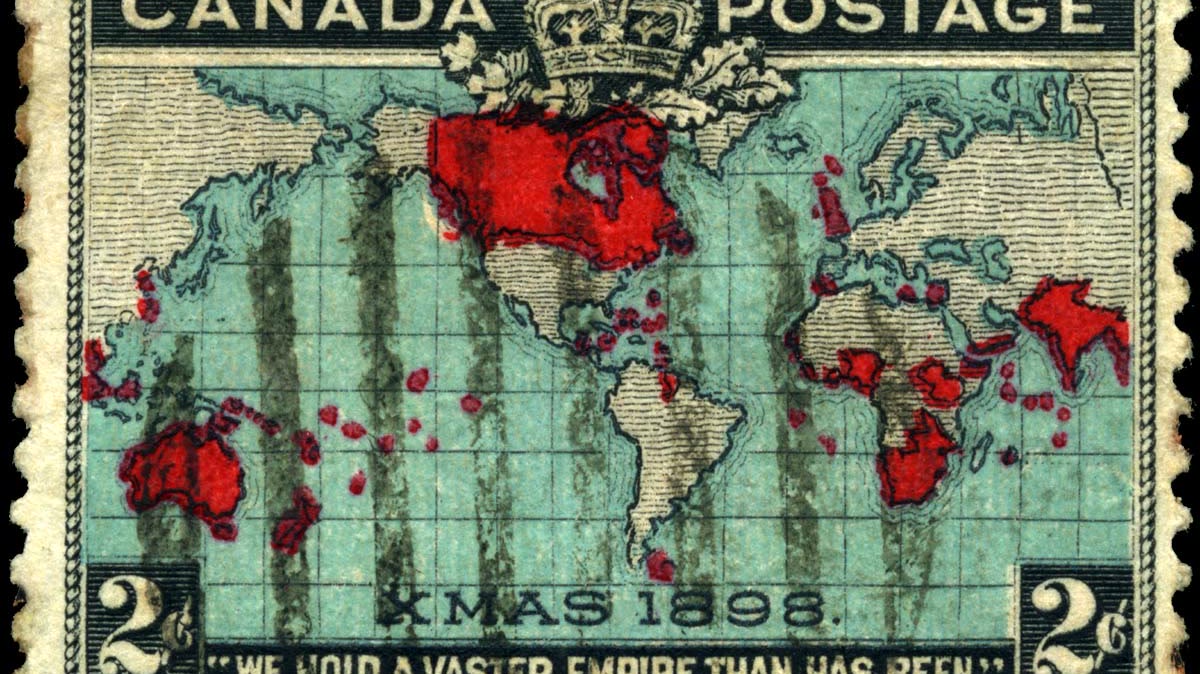
In 1898, Canada Post issued a world map stamp to announce a new imperial postage rate, and ended up creating the Christmas stamp along the way.