News
Love Letters Are Back, Saying What Words Alone Don't Dare
A British survey confirms it: the love letter is trending again. Here's why, and how to send one anywhere in Canada with Capycom.
 Capycom
From 1854 to 1971, mail cars sorted letters while the train ran. The story of Canada's Railway Mail Service, its clerks and the bag caught on the fly.
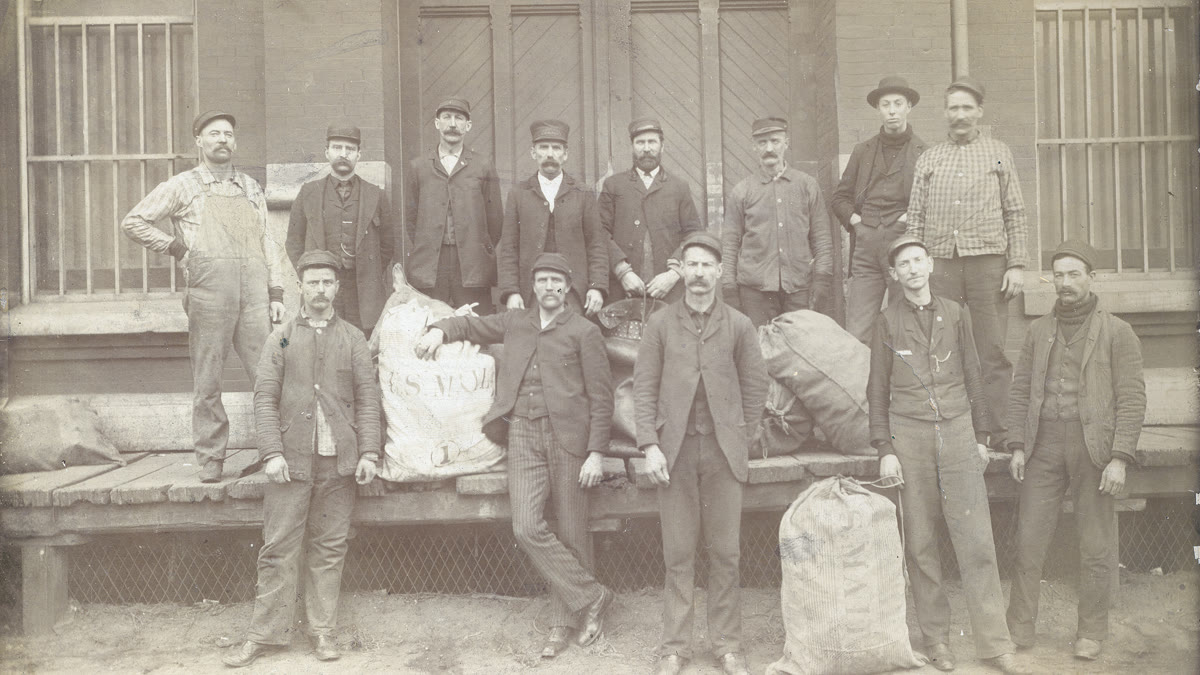
In 1854, a car coupled to a Canadian train was fitted with pigeonholes, a work table and clerks. Mail no longer simply rode the train, it was processed on it. Those cars were the first of their kind in North America. Trains had carried sealed mail bags since 1840, but nobody opened them between stations.
The effect showed up quickly. A letter from Quebec City to Windsor used to take ten days. By the late 1850s it took about two, because sorting happened during the run instead of waiting for a fixed office. The train stopped being only a way to move mail and became a place where mail was handled. Every hour on the rails was an hour of postal work done.
A railway mail clerk did far more than guard the bags. The job came down to four moves, repeated for hours:
The car held dumping tables, sorting cases, a stove, a toilet and a sink. Quarters were cramped and the floor moved. On long runs, clerks lived on board.
On 22 February 1897, departmental order number 38, signed by Deputy Postmaster General William White, formally created the Railway Mail Service. The network followed the rails as they pushed west and north. The Grand Trunk Pacific line from Prince George to Prince Rupert was finished in 1914, then folded into Canadian National Railways in 1920.
Worth knowing: the service peaked in 1950, with 1,385 railway clerks on staff.
The most striking move happened without stopping. The clerk swung out a catch arm on the side of the car to grab a bag hanging beside the track, while kicking out the bag meant for that village at the same moment. It had to be timed exactly, at full speed, with the door open. Clerks were picked for being fast, accurate, strong and trustworthy.
The service was in decline by the mid 1960s. Trucks and aircraft took over the long hauls, and sorting went back into fixed centres, where it has stayed. The Railway Mail Service officially ended in 1971, after one hundred and seventeen years of rolling sorting cases.
The first step has not changed: write, fold, pay the postage, hand it over. Capycom takes that chain over remotely. You write or upload your document, the service prints it, puts it in an envelope and drops it as a standard letter into the Canadian postal network. No printer at home, no stamp to stick, no trip out.
Photo: Smithsonian Institution, Flickr Commons, no known copyright restrictions.

News
A British survey confirms it: the love letter is trending again. Here's why, and how to send one anywhere in Canada with Capycom.

News
Pinterest says handwritten letters are making a big comeback in 2026. Why receiving one feels so good, and how to send one to the people you love without leaving home, with Capycom.
News
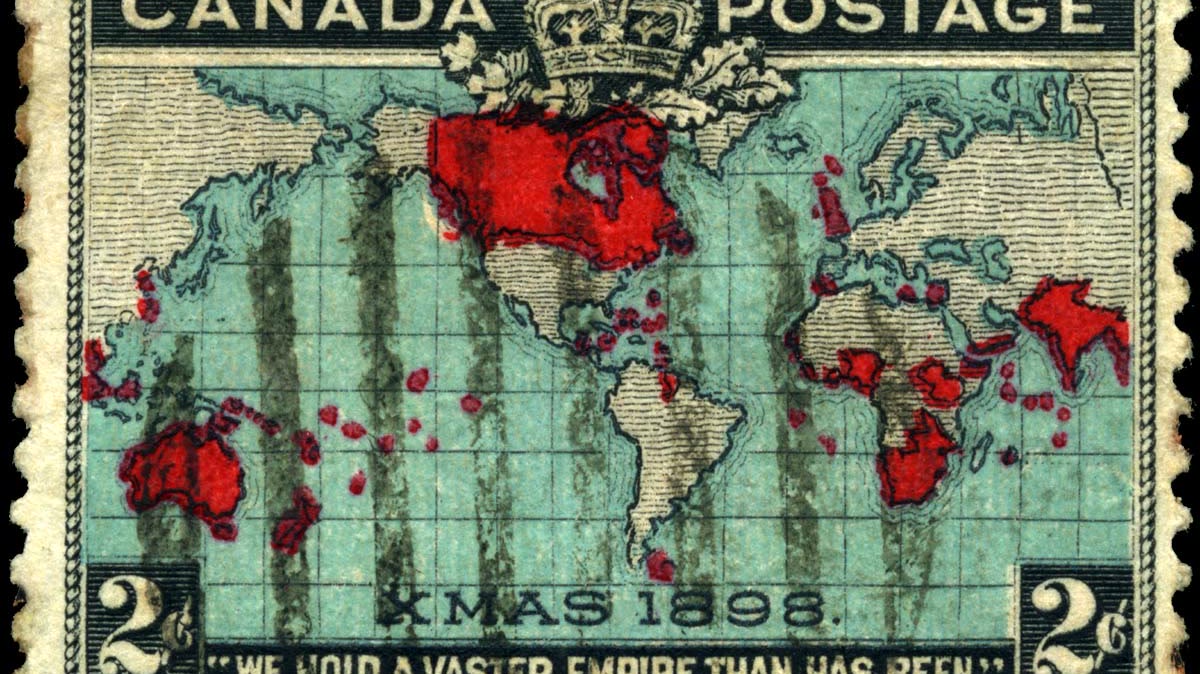
In 1898, Canada Post issued a world map stamp to announce a new imperial postage rate, and ended up creating the Christmas stamp along the way.