Practical guide
How to Cancel a Gym Membership in Canada: Letter and Deadlines in Quebec and Ontario
Cancelling a gym membership in Quebec or Ontario: deadlines, fees, what the letter should say, and how to have Capycom mail it.
 Capycom
The size, weight and price rules behind a standard Canada Post letter, and what happens to an envelope that falls outside them.
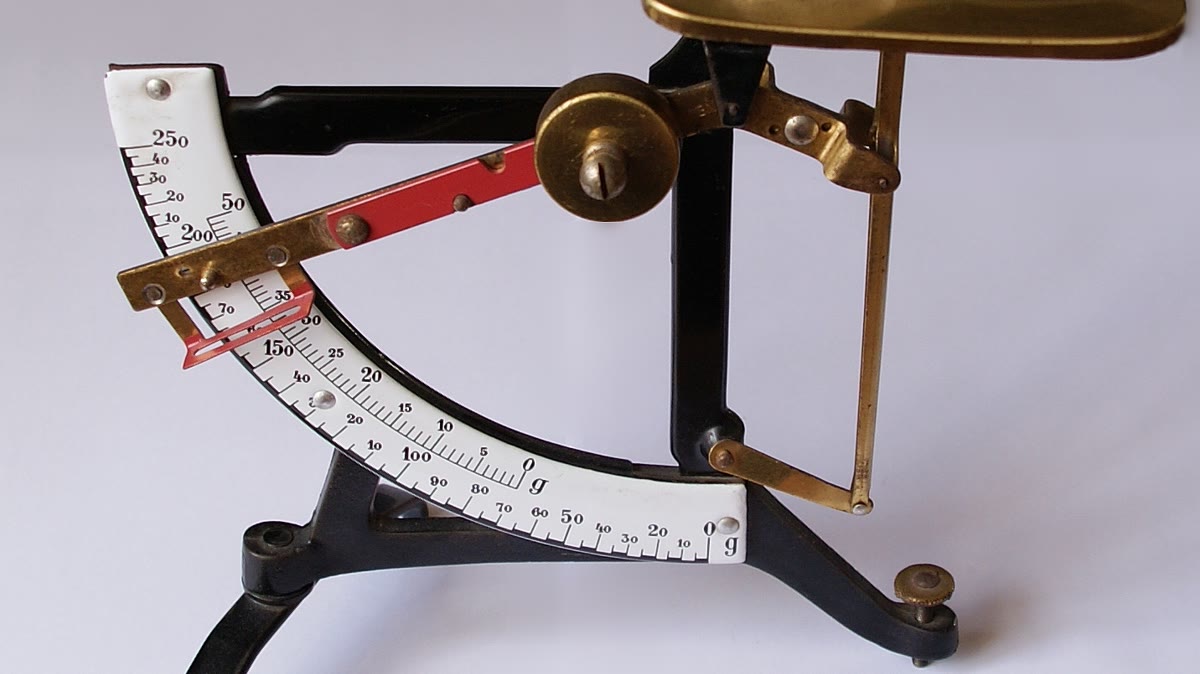
Since January 13, 2025, a standard letter stamp costs $1.44 individually and $1.24 in a booklet for mail up to 30 g within Canada. Above that weight, up to 50 g, the rate rises to $1.75. These prices apply only to a specific format: Canada Post defines a standard letter by size, weight, and even a length to width ratio, not simply by being an envelope. These limits sit in Canada Post's rates and products guide, updated with every price change.
An envelope qualifies as standard size when it falls within these limits:
A lesser known rule applies too: the ratio between length and width has to stay between 1.3 and 2.6. An envelope that is too square, or too elongated, falls outside the standard format even if it meets every maximum measurement, and gets charged at the oversized rate instead. The number 10 commercial envelope, the one sold everywhere, measures 105 mm by 241 mm: it clears every limit, with a ratio of 2.3.
Weight sets the price within the standard format itself. Up to 30 g, roughly four or five sheets of paper plus the envelope, a stamp costs $1.44 individually or $1.24 in a booklet. From 30 g to 50 g, there is a single rate, $1.75, with no booklet discount. A kitchen scale is usually accurate enough to check this, since the difference between 30 g and 31 g decides which of the two rates applies. A letter heavier than 50 g, or larger than 245 mm by 156 mm, leaves the letter category altogether and moves to oversized mail, priced differently and capped at 500 g.
An envelope that is too heavy or poorly proportioned is not turned away at the counter once the right rate is paid, it simply pays the higher, oversized rate instead. The real risk comes from underpaying for the actual weight: the letter can be returned to the sender, or delivered with extra postage charged to the recipient for the shortfall found.
Canada Post's sorting machines read and route mail based on fixed measurements. An envelope outside the norm slows automated sorting down, or blocks it outright, which explains the length to width ratio as much as the size limits themselves. None of this changes what the service actually is: a standard letter stays unmarked mail, delivered without a signature at drop off.
Worth knowing: a postcard follows slightly different rules, with a maximum width of 120 mm instead of 156 mm, but the same 50 g cap.
Meeting these measurements usually means pulling out a ruler and a scale at home. Capycom removes that step: the text gets written online, Capycom prints the letter, picks the right envelope size, and adds the exact postage needed before mailing it as a standard letter, never offering tracked or registered mail.
Image credit: Jurii, Wikimedia Commons, CC BY 3.0 license.
Practical guide
Cancelling a gym membership in Quebec or Ontario: deadlines, fees, what the letter should say, and how to have Capycom mail it.

Practical guide
Refund request letter for Canada: evidence to gather, what to write and where to turn if the store refuses. Mail it with Capycom, no stamps needed.
Practical guide
What goes in a demand letter, what deadline to give and how to mail it in Canada. A free template on Capycom, filled in with three questions.