News
Love Letters Are Back, Saying What Words Alone Don't Dare
A British survey confirms it: the love letter is trending again. Here's why, and how to send one anywhere in Canada with Capycom.
 Capycom
Unreadable address, wrong postal code, torn label: Canada Post sends these letters to an office that opens them to find their sender. What the law allows there.
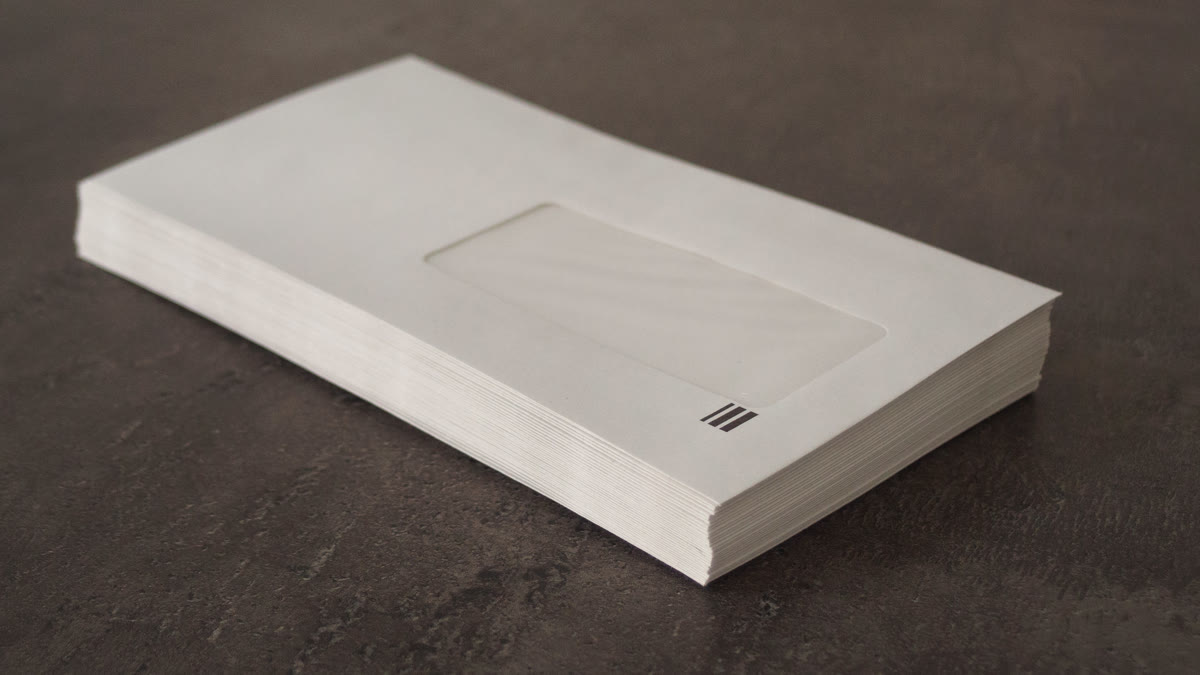
At Canada's undeliverable mail office, staff transcribe addresses written in 39 languages, Braille included. Their work starts where the carrier's stops: an envelope with no street name, a wrong postal code, a torn address label. Canada Post calls these items undeliverable. The British post gave them a darker name, dead letters.
The first office of its kind opened in London in 1784, for letters that had reached the capital and could not be handed over. The United States set up its own in 1825. In Canada, Brian C. Plain traced the history of these Dead Letter Offices from 1830 to 2002. The service now sits at one site in the Toronto area, with a second point at North Sydney, Nova Scotia.
Canada Post lists the cases in which an item becomes undeliverable:
The office adds what it sees every day: unreadable handwriting, a wrong postal code, an address label ripped off, packaging too weak.
A federal regulation, the Undeliverable and Redirected Mail Regulations, sets out what follows. Section 11 allows an item with an incomplete or inaccurate address to be opened, for the sole purpose of finding the sender's or the addressee's address inside. Section 13 covers the contents: money goes to the account of Canada Post, goods are sold or otherwise disposed of to its benefit, and anything with no apparent value is destroyed.
Worth knowing: section 20 of the same regulation lets Canada Post hold mail for no more than 30 days, when that serves the interest of the sender or the addressee.
The office searches first. An item carrying a valid return address goes back to its sender. Otherwise it is opened, and staff follow whatever trail the contents give them. Doug Jones, senior vice-president of operations, describes the work as resuscitation and says every possible avenue is taken. One letter posted in British Columbia reached its recipient in Prince Edward Island that way. In 2020 Canada Post delivered 2.5 billion items, with a stated success rate of 96 per cent.
Two lines keep a letter out of that pile: a complete address on the front, a return address in the top left corner. Capycom handles that step remotely. You write or upload your document, the service prints it, puts it in an envelope with a cleanly set address, and drops it as a standard letter into the Canadian postal network. The address is typed once, on screen, so it is legible by construction. No printer at home, no stamp to stick, no trip out.
Photo: Martin Vorel, public domain, via Wikimedia Commons.

News
A British survey confirms it: the love letter is trending again. Here's why, and how to send one anywhere in Canada with Capycom.

News
Pinterest says handwritten letters are making a big comeback in 2026. Why receiving one feels so good, and how to send one to the people you love without leaving home, with Capycom.
News
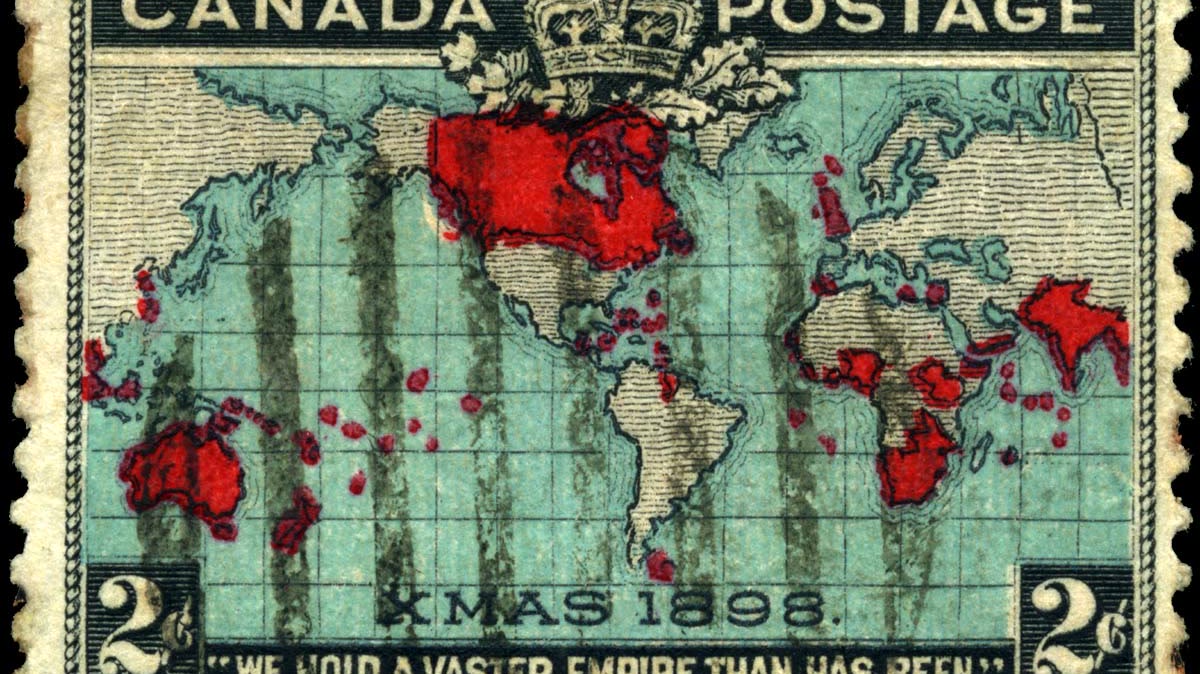
In 1898, Canada Post issued a world map stamp to announce a new imperial postage rate, and ended up creating the Christmas stamp along the way.