Practical guide
How to Cancel a Gym Membership in Canada: Letter and Deadlines in Quebec and Ontario
Cancelling a gym membership in Quebec or Ontario: deadlines, fees, what the letter should say, and how to have Capycom mail it.
 Capycom
A Canadian address block never runs past six lines. The order of each element, the official abbreviations, and the special formats for PO Box, Rural Route and General Delivery.
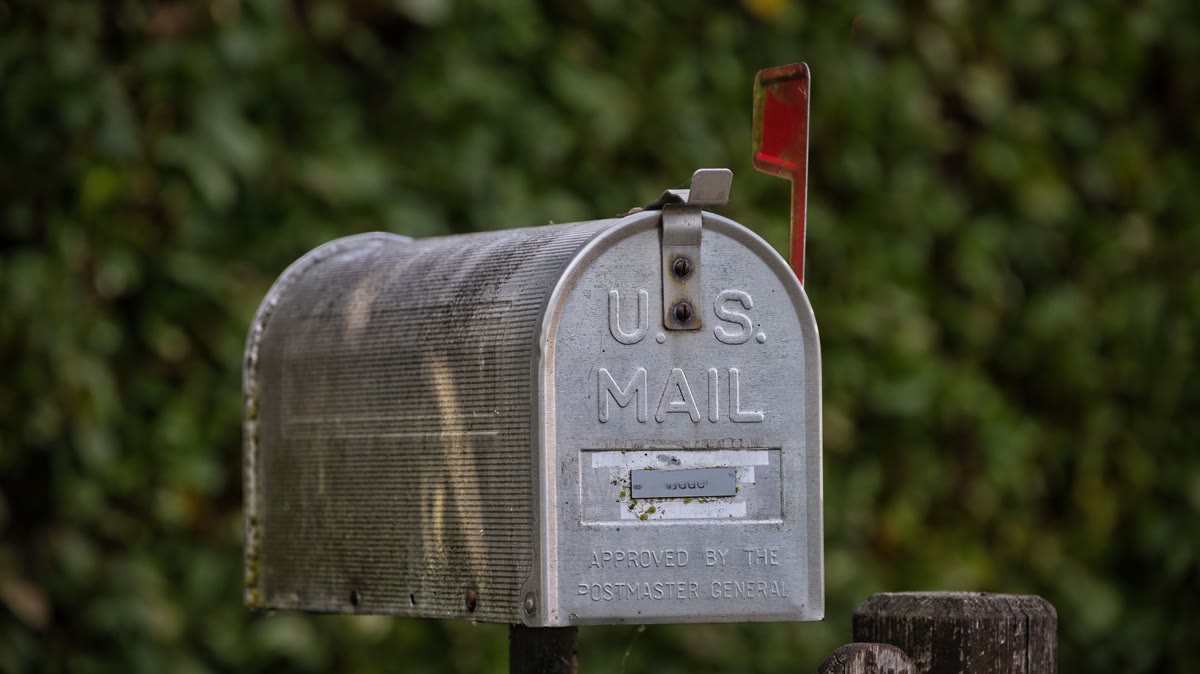
A Canadian address fits on three lines in most cases, and Canada Post sets a firm cap. The address block can never run past six lines, even with delivery information added. The first line carries the recipient's name. The second carries the address itself, civic, box, or rural route depending on the case. The third carries the municipality, province, and postal code, always in that order, always on one line.
On a standard civic address, every piece has its own slot. The unit or apartment number comes first, followed by a hyphen and the civic number, then the street name, the abbreviated street type, and the abbreviated direction last. The official abbreviations are fixed, written in capital letters, with no periods.
An address written this way, 4-123 MAIN ST N for instance, reads and sorts faster than one full of lowercase letters and punctuation.
Not everyone has a civic address. Canada Post defines three other formats, each with its own second line.
In all three cases, the third line stays the same: municipality, province, postal code.
For a bilingual envelope, Canada Post calls for a solid black vertical line at least 0.7 millimetres thick to separate the two versions, with roughly ten millimetres of blank space on each side. The street name itself is never translated, since a municipality carries only one official name.
Worth knowing: writing the address in capital letters, without punctuation, in the official order, lowers the odds of a machine reading error, and so of a delay.
None of this is paperwork for its own sake. A sorting machine reads an address in a fraction of a second, and a predictable format speeds that step along. A mangled PO Box or Rural Route line is a common reason mail boomerangs back to the sender weeks later. Capycom lets anyone write a simple letter online and have it printed and mailed anywhere in Canada, PO boxes and rural routes included, without memorizing any of these rules: the correct format follows the address entered automatically.
Image credit: classic mailbox in a garden setting, photo by Wolfgang Vrede, Pexels license.
Practical guide
Cancelling a gym membership in Quebec or Ontario: deadlines, fees, what the letter should say, and how to have Capycom mail it.

Practical guide
Refund request letter for Canada: evidence to gather, what to write and where to turn if the store refuses. Mail it with Capycom, no stamps needed.
Practical guide
What goes in a demand letter, what deadline to give and how to mail it in Canada. A free template on Capycom, filled in with three questions.