Practical guide
How to Cancel a Gym Membership in Canada: Letter and Deadlines in Quebec and Ontario
Cancelling a gym membership in Quebec or Ontario: deadlines, fees, what the letter should say, and how to have Capycom mail it.
 Capycom
Three lines, capitals, a properly spaced postal code: what Canada Post asks so that automated sorting can read your address.

Three lines. That is what Canada Post asks for on the envelope of a letter going to a Canadian address: the addressee, the street address, then the municipality, province and postal code. The company says its automated equipment can decipher a wide range of addressing styles. A consistent format still cuts down on extra handling and redelivery. The company adds that an accurate address also helps reduce the carbon footprint of a delivery.
On a letter bound for Canada, the address fits on three lines. The first names the addressee. The second gives the street address. The third holds the municipality, the province or territory, and the postal code.
For the United States and for international mail, Canada Post uses four lines. The last one carries the country name.
These rules come from the Canada Post page on how to address letters and parcels, and they come down to a handful of habits:
The municipality, the province and the postal code stay on one line. One space separates the municipality from the province, and two spaces separate the province from the postal code. The code is written in capitals, with a space between its first three and last three characters and no hyphen.
Small as it looks, it matters. Canada Post warns that a postal code that is not formatted correctly may delay the mail.
For mail that machines process, the Canada Post guidelines get down to the millimetre. They sit in the address blocks page of the machineable mail best practices. The address block is left justified. Every character uses the same font at the same height, ideally between 2 mm and 5 mm. Between two lines there should be at least 0.5 mm of space and no more than one blank line.
Each line should ideally hold fewer than 30 characters, and 40 at most. If the last line runs longer, the postal code moves to a final line of its own. Finally, the text should not tilt more than five degrees from the bottom edge of the envelope.
Worth knowing: Canada Post says that a consistent format is there to limit extra handling and redelivery. It is not an entrance exam, it is a help for sorting.
Capycom lets you send a paper letter in Canada without a printer. You write online or import a PDF, then the service prints the letter, slips it into an envelope and drops it at the post office. From there the letter travels like any other mail, and its address is read at sorting like all the others.
Whether the letter is printed at your place or somewhere else, the same three lines make the trip. They deserve some care: capitals, a postal code with its space, no stray symbols.
Photo: Suzy Hazelwood, Pexels (Pexels License)
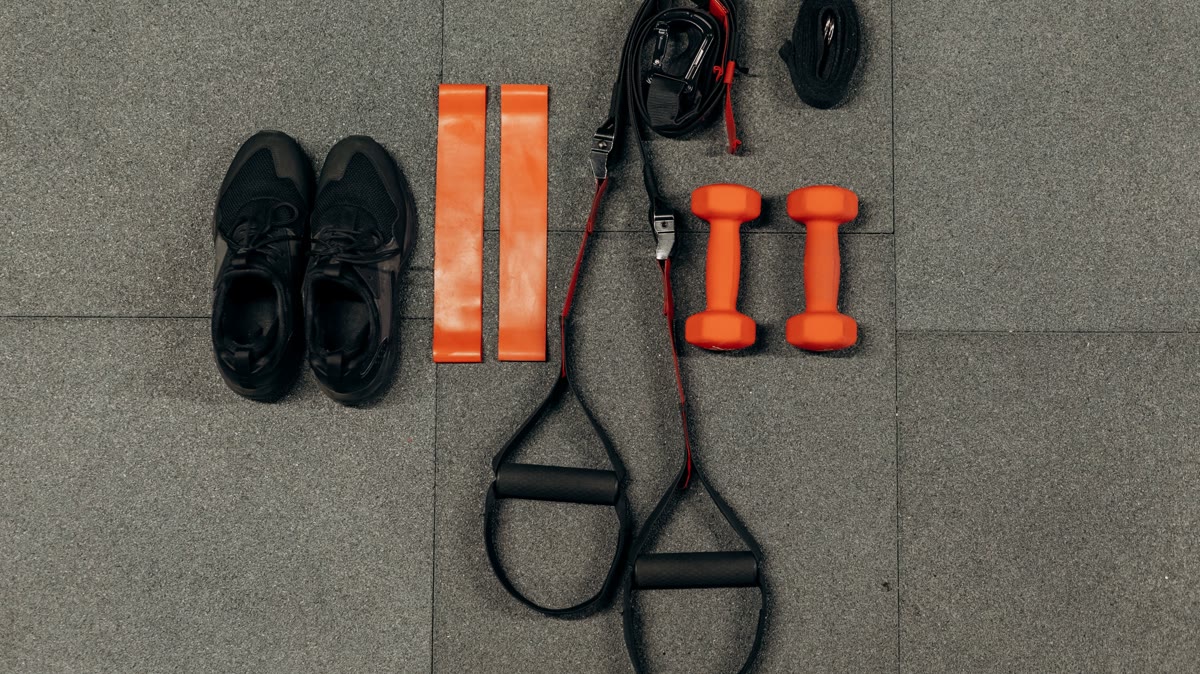
Practical guide
Cancelling a gym membership in Quebec or Ontario: deadlines, fees, what the letter should say, and how to have Capycom mail it.

Practical guide
Refund request letter for Canada: evidence to gather, what to write and where to turn if the store refuses. Mail it with Capycom, no stamps needed.
Practical guide
What goes in a demand letter, what deadline to give and how to mail it in Canada. A free template on Capycom, filled in with three questions.